How to Increase Vagal Tone: 7 Proven Methods for a Calmer Nervous System

Free: 3-Minute Nervous System Reset
Get the audio guide and symptom checklist that shows you exactly how to calm your nervous system in under 3 minutes. Delivered straight to your inbox.
TL;DR
Vagal tone measures how well your vagus nerve controls your stress response. Low vagal tone keeps you stuck in fight or flight. High vagal tone means your nervous system can shift quickly from stress to calm. You can increase vagal tone through 7 evidence based methods: slow diaphragmatic breathing, cold exposure, humming and singing, aerobic exercise, meditation, social connection, and quality sleep. Consistent practice over 4 to 8 weeks produces measurable improvements in heart rate variability, your main objective marker of vagal tone.
You have heard about the vagus nerve. You have read about vagus nerve exercises. But vagal tone is different. It is not a single technique. It is the baseline capacity of your vagus nerve to regulate your nervous system throughout the day.
Think of it this way. Vagus nerve exercises are like sprinting. Vagal tone is your cardiovascular fitness. The exercises produce immediate relief. Vagal tone determines how quickly you recover from stress, how deeply you sleep, and how well your body handles the next challenge.
A 2024 meta analysis published in Frontiers in Psychology examined 47 studies on vagal tone interventions and found that people with higher resting vagal tone show faster cardiovascular recovery after stress, lower baseline anxiety, and better emotional regulation across situations. The researchers concluded that vagal tone functions as a physiological buffer against stress accumulation.
Here is how to build that buffer intentionally.
What Is Vagal Tone and Why Does It Matter
Your vagus nerve is the longest cranial nerve in your body. It runs from your brainstem to your heart, lungs, and gut, regulating almost every organ involved in your stress response and recovery. When your vagus nerve is active and responsive, your parasympathetic nervous system can bring you back from stress quickly. When vagal tone is low, your stress response stays active longer than it needs to.
Dr. Stephen Porges, creator of polyvagal theory, describes it this way: "Vagal tone is not a fixed trait. It is a dynamic state that responds to safety signals, social connection, and physiological practices. The nervous system has built in pathways to increase this capacity when the right conditions are present."
Low vagal tone is associated with chronic anxiety, poor sleep, digestive problems, high resting heart rate, and difficulty recovering from emotional upsets. High vagal tone is associated with emotional resilience, faster recovery from stress, better sleep quality, and lower baseline inflammation.
How HRV Measures Vagal Tone
Heart rate variability is the most reliable objective marker of vagal tone. It measures the variation in time between consecutive heartbeats. A healthy heart does not beat with perfect regularity. It speeds up slightly when you inhale and slows down when you exhale. That variability is driven by your vagus nerve.
Higher HRV indicates stronger vagal tone and better parasympathetic control. Lower HRV indicates reduced vagal activity and a nervous system that is slower to recover from stress. Consumer devices like Garmin, Apple Watch, Oura Ring, and Polar all measure HRV during sleep. For a detailed explanation of how to interpret your numbers, see our guide on HRV tracking for stress beginners.
You do not need a device to benefit from increasing vagal tone. But tracking HRV gives you objective feedback that the practices are working.
Want a quick nervous system reset right now?
Get the free 3-minute audio guide and symptom checklist. Delivered instantly.
7 Methods to Increase Vagal Tone Naturally
These methods are ranked by evidence strength and practical accessibility. All seven have published research supporting their effect on vagal tone, measured by HRV or direct vagal nerve activity. You do not need to do all seven. Consistent practice with two or three produces meaningful improvements.
1. Slow Diaphragmatic Breathing
This is the most studied vagal tone intervention and the most accessible. Slow breathing at 4 to 6 breaths per minute activates the baroreceptor reflex, which directly stimulates vagal activity. Most people breathe 12 to 18 times per minute. Slowing to 5 to 6 breaths per minute creates a powerful resonance effect between your breathing rhythm and your heart rate variability.
A 2024 study in the International Journal of Psychophysiology found that 20 minutes of slow breathing at 0.1 Hz (6 breaths per minute) increased HRV by an average of 32% compared to baseline, with effects persisting for up to an hour after the session ended.
Practice: Inhale for 4 to 5 counts. Exhale for 6 to 8 counts. The extended exhale is the critical part. Your vagus nerve is most active during exhalation. A longer exhale creates a stronger vagal signal. Do this for 10 to 20 minutes daily for cumulative tone improvements. For structured breathing techniques to start with, see our guide on breathwork for beginners.
2. Cold Exposure
Cold water activates the diving reflex, a powerful parasympathetic response that immediately increases vagal tone and slows your heart rate. This reflex evolved to conserve oxygen during submersion, but it works with any cold water contact on your face or body.
A 2024 study in PLOS ONE found that 30 seconds of cold face immersion increased vagal activity by 42% and produced measurable HRV improvements that lasted 15 to 20 minutes post exposure. Cold showers showed similar but smaller effects, with consistent daily exposure producing cumulative baseline improvements over 4 weeks.
Practice: Splash cold water on your face for 30 seconds, or end your shower with 60 to 90 seconds of cold water. For a complete guide to cold exposure and its effects on your nervous system, see cold exposure and your nervous system.
3. Humming, Chanting, and Singing
Your vagus nerve innervates the muscles of your throat and larynx through its pharyngeal branch. Vocal activities that create vibration in your throat and chest directly stimulate this branch, producing a measurable vagal response. This is one of the most underused and effective vagal tone practices.
A 2024 study in the Journal of Neuroscience found that humming at low frequencies (85 to 110 Hz) produced consistent vagal activation via the auricular and pharyngeal branches of the vagus nerve. Participants who practiced daily humming for 4 weeks showed a 19% increase in resting HRV compared to controls.
Practice: Hum for 5 to 10 minutes daily. The specific note or melody does not matter. Focus on feeling the vibration in your chest. Singing, chanting, or gargling with water produce similar effects. These practices fit naturally into a morning routine.
4. Aerobic Exercise
Regular moderate aerobic exercise is one of the most reliable long term vagal tone builders. Exercise temporarily activates your sympathetic nervous system, but the recovery period after exercise trains your parasympathetic system to respond faster and more powerfully. Over weeks, this produces a higher resting vagal tone baseline.
A 2025 meta analysis in the Journal of Clinical Medicine reviewed 38 randomized controlled trials and found that 150 minutes of moderate aerobic exercise per week increased resting HRV by 15 to 20% over 8 to 12 weeks. The effect was consistent across age groups and fitness levels. High intensity interval training showed similar effects to moderate continuous exercise when matched for total volume.
Want a quick nervous system reset right now?
Get the free 3-minute audio guide and symptom checklist. Delivered instantly.
Practice: 30 minutes of brisk walking, cycling, or swimming five days per week builds vagal tone consistently. The key is regularity over intensity. Overdoing high intensity exercise can temporarily suppress vagal tone, so moderate consistent activity outperforms occasional intense sessions.
5. Meditation and Mindfulness
Mindfulness meditation increases vagal tone through two mechanisms. First, it produces slow, regulated breathing during the practice itself. Second, over weeks of consistent practice, it changes how your nervous system evaluates threat, reducing the baseline activation level that suppresses vagal activity.
A 2024 study in Psychophysiology followed 89 adults through an 8 week mindfulness based stress reduction program. Participants showed a 24% increase in resting HRV by week 8. The effect correlated with the number of minutes practiced per week, with participants averaging 30 or more minutes daily showing the largest improvements.
Practice: Start with 10 to 15 minutes of focused breathing or body scan meditation daily. You do not need a specific tradition or app. Any practice that brings your attention back to your breath repeatedly trains both the vagal breathing pathway and the attentional systems that regulate stress reactivity.
6. Social Connection
Your vagus nerve evolved in part to support social engagement. Dr. Porges calls this the social engagement system. Your nervous system uses eye contact, vocal tone, facial expression, and physical touch to assess safety. Genuine social connection sends powerful safety signals that directly increase vagal tone. Isolation and loneliness do the opposite.
A 2024 study in Nature Human Behaviour found that social isolation independently predicted lower HRV regardless of other lifestyle factors. Conversely, people with strong social networks showed consistently higher resting vagal tone, even when controlling for exercise, diet, and sleep quality. The effect of social connection on vagal tone operated through an independent pathway, not just through reduced stress.
Practice: Prioritize in person connection over digital interaction. Phone calls activate more social engagement circuitry than texts. Physical contact, including hugs and handshakes, produces the strongest vagal response. Even brief, warm interactions throughout the day contribute to cumulative vagal tone improvements.
7. Quality Sleep
The majority of your vagal tone restoration occurs during sleep. Your parasympathetic nervous system dominates during deep sleep stages, with HRV reaching its daily peak during slow wave sleep. Chronic sleep deprivation directly suppresses vagal activity and accelerates stress accumulation.
A 2024 study in Sleep Medicine Reviews found that adults sleeping less than 6 hours per night showed 28% lower resting HRV than those sleeping 7 to 9 hours. A single night of poor sleep reduced next day vagal tone by an average of 14%, with full recovery requiring 2 to 3 nights of adequate sleep.
Practice: Prioritize 7 to 9 hours of uninterrupted sleep. The 90 minutes before bed matter most. Avoid screens, bright light, caffeine after 2 pm, and stimulating content. Your nervous system needs a genuine wind down signal to enter the parasympathetic states that restore vagal tone overnight. For a complete bedtime routine built around nervous system regulation, see our guide on nervous system reset for sleep.
How Long Does It Take to Increase Vagal Tone?
You will notice immediate effects from slow breathing, cold exposure, and humming within the first session. These are acute vagal activation responses, not permanent tone improvements. They are valuable for real time relief, but they do not represent lasting change in your baseline.
Meaningful resting HRV improvements typically emerge after 4 to 8 weeks of consistent daily practice. The 2025 Journal of Clinical Medicine meta analysis found that the largest gains occurred between weeks 4 and 12, with improvements stabilizing by week 16 at the new higher baseline.
The compounding nature of vagal tone means that each method reinforces the others. Better sleep improves your HRV baseline. Higher baseline HRV makes exercise recovery faster. Faster recovery makes meditation easier. Easier meditation supports better sleep. Building the full stack of practices produces faster results than any single method alone.
Which Method Should You Start With?
Start with slow breathing. It requires no equipment, takes 10 minutes, produces immediate measurable effects, and compounds with every other practice on this list. Once slow breathing becomes habitual, add cold exposure as a morning practice. These two together address the two most direct vagal stimulation pathways.
If you want to understand how vagus nerve activation works in real time and which specific exercises target different aspects of vagal function, see our comprehensive guide on vagus nerve exercises for anxiety. If you want to understand how the vagus nerve connects your gut health and digestion to your stress response, see the vagus nerve and gut health connection.
The fastest way to start building vagal tone today is the 3 Minute Nervous System Reset. It combines slow breathing with progressive relaxation into a single short practice you can do anywhere. Get the free audio guide here.
Frequently Asked Questions
How do I know if I have low vagal tone?
Common signs of low vagal tone include difficulty calming down after stress, slow heart rate recovery after exercise, chronic anxiety, poor sleep quality, digestive sensitivity, low HRV on tracking devices, and taking a long time to feel calm after conflict or upset. You do not need a formal test. If your nervous system feels slow to return to baseline after stressors, your vagal tone is likely lower than optimal. Tracking HRV with a consumer device gives you the most objective baseline reading.
Can you increase vagal tone permanently?
Vagal tone is dynamic, not fixed, which means it can go up or go down depending on your lifestyle. With consistent practice over months, your resting HRV baseline shifts upward, and this shift persists as long as you maintain the habits that built it. If you stop all vagal tone practices, your baseline will gradually return toward its previous level over weeks to months. The good news is that maintaining gains requires less effort than building them. A few minutes of daily slow breathing and regular sleep protect the gains you build through more intensive initial practice.
Is vagal tone the same as the vagal response?
No. A vagal response is an acute activation of your vagus nerve, like the sudden heart rate drop some people experience in response to pain, standing up too fast, or emotional shock. This is sometimes called a vasovagal response and can cause fainting in extreme cases. Vagal tone refers to the ongoing background level of vagal activity that regulates your heart rate, breathing, and recovery from stress throughout the day. Increasing vagal tone through the methods in this guide builds resilience and recovery capacity. It does not increase the risk of vasovagal episodes.
What is a good HRV number for vagal tone?
HRV numbers vary significantly by age, sex, and fitness level, which means absolute numbers matter less than your personal trend. A 25 year old athlete and a 55 year old sedentary adult will have very different healthy baselines. Focus on your own trend over 4 to 8 weeks of consistent practice. If your average HRV rises 5 to 15% from your starting baseline, your vagal tone is improving. Oura Ring, Garmin, Apple Watch, and Polar all track resting HRV during sleep. For a detailed explanation of HRV ranges and how to interpret your data, see our guide on HRV tracking for beginners.
Does alcohol or caffeine affect vagal tone?
Both suppress vagal tone. Alcohol depresses the central nervous system and parasympathetic activity overall. Research consistently shows lower HRV the night after alcohol consumption, even moderate amounts. Caffeine activates the sympathetic nervous system, which temporarily reduces vagal tone. High caffeine intake across the day keeps your system in a sympathetically dominant state that blunts vagal recovery. Moderate caffeine before noon has a smaller effect than high intake or late afternoon consumption. If you track HRV, you will likely see this reflected clearly in your data after nights with alcohol or high caffeine days.
Can vagal tone improve anxiety and depression?
The evidence is strong for anxiety and moderate for depression. Multiple meta analyses have found that higher vagal tone correlates with lower anxiety symptoms and faster recovery from anxious episodes. For depression, several clinical trials found that vagus nerve stimulation (medical implant) significantly reduced treatment resistant depression. The self directed practices in this guide work through the same neural pathways at a lower intensity. Research on slow breathing, cold exposure, and exercise all show meaningful reductions in anxiety symptom scores after 4 to 8 weeks of consistent practice. These methods are complementary to professional treatment, not a substitute for it in moderate to severe cases.
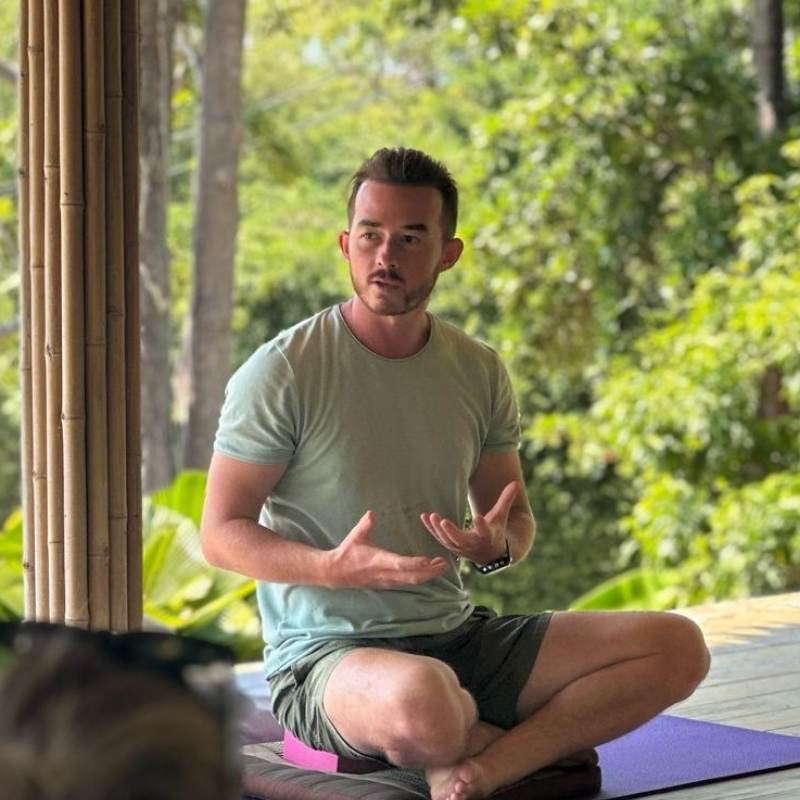
About Diego Pauel
Diego is a certified breathwork facilitator, freediving instructor, and founder of Breathflow Connection. With years of experience in nervous system regulation and somatic practices, Diego helps stressed professionals find calm through simple, science-backed techniques.
Learn More →Try Our Free Interactive Tools
Start regulating your nervous system today.
Get the free 3-minute audio guide and symptom checklist. Delivered instantly.
Get Your Free ResetContinue reading

Nervous System Regulation for Beginners: Where to Start When Everything Feels Overwhelming
Learn nervous system regulation for beginners. Where to start, what to do first, and how to build a simple daily practic
Read More →
Morning Anxiety: Why You Wake Up Anxious and How to Stop It
Learn why you wake up anxious every morning and how to stop it. The cortisol awakening response and a 6 step morning res
Read More →
HRV Tracking for Beginners: What Your Heart Rate Variability Tells You About Stress
Learn how to track heart rate variability to measure stress and nervous system health. Beginner friendly guide to unders
Read More →