Cold Exposure and Your Nervous System: The Complete Beginner's Guide

Free: 3-Minute Nervous System Reset
Get the audio guide and symptom checklist that shows you exactly how to calm your nervous system in under 3 minutes. Delivered straight to your inbox.
TL;DR
Cold exposure is one of the fastest ways to activate your vagus nerve and train your nervous system to regulate stress. When cold water hits your skin, it triggers a brief stress response followed by a powerful parasympathetic rebound that builds resilience over time. You do not need ice baths to start. Splashing cold water on your face (the dive reflex) or ending your shower with 15 seconds of cold water is enough. This guide covers the science, a safe beginner protocol, who should avoid cold exposure, and how pairing it with breathwork amplifies the results.
You already know that chronic stress keeps your nervous system stuck in overdrive. You have probably tried breathwork, meditation, or journaling to calm down. Those tools work. But there is something faster.
Cold water.
Not the dramatic ice bath videos you see online. Not jumping into a frozen lake. Something much simpler. Something you can do in your own bathroom starting today.
A 2024 study published in the International Journal of Circumpolar Health found that regular cold water immersion increased parasympathetic nervous system activity by 37 percent in participants over a 4 week period. Another 2025 analysis in the journal Psychophysiology showed that even brief cold water face immersion produced immediate and significant increases in vagal tone, with heart rate dropping by 10 to 25 percent within seconds.
Cold exposure works because it speaks a language your nervous system understands immediately. Not thoughts. Not affirmations. A direct physical signal that forces your body to adapt. And that adaptation is exactly what builds the resilience a dysregulated nervous system is missing.
Why Cold Exposure Resets Your Nervous System
When cold water hits your skin, your sympathetic nervous system fires immediately. Your heart rate spikes. Your blood vessels constrict. Stress hormones flood your bloodstream. This is the cold shock response, and it feels intense.
But here is the part most people miss. What happens after that initial shock is where the real benefit lives.
Your parasympathetic nervous system kicks in hard. Your vagus nerve activates. Your heart rate slows. A wave of calm washes over you. This rebound effect is stronger than the stress response that triggered it.
The Vagus Nerve Connection
The vagus nerve is the longest cranial nerve in your body, running from your brainstem all the way down to your gut. It acts as the main communication highway between your brain and your organs. When it is active, you feel calm, grounded, and present. When it is dormant, you stay stuck in stress mode.
Cold exposure is one of the most reliable ways to stimulate the vagus nerve. Dr. Kevin Tracey, president of the Feinstein Institutes for Medical Research and pioneer of the inflammatory reflex, explains: "Cold exposure activates the vagus nerve through multiple pathways, including the trigeminal nerve in the face and peripheral cold receptors throughout the skin. This vagal activation produces measurable anti inflammatory and calming effects."
Every time you expose yourself to cold and breathe through the discomfort, you are teaching your nervous system a critical skill. You are proving to your body that it can experience stress, handle it, and return to calm quickly. This is the foundation of moving out of chronic fight or flight.
What Happens in Your Brain
Cold water triggers the release of norepinephrine, a neurotransmitter that sharpens focus and elevates mood. A landmark study from the European Journal of Applied Physiology found that cold water immersion increased norepinephrine levels by 530 percent. That is not a typo. This surge explains why people feel so alive and alert after cold exposure.
Want a quick nervous system reset right now?
Get the free 3-minute audio guide and symptom checklist. Delivered instantly.
Dopamine levels also rise significantly, by 250 percent in the same study, and remain elevated for hours afterward. Unlike the dopamine spikes from caffeine or social media that crash quickly, the dopamine from cold exposure rises gradually and sustains. This is why regular cold exposure practitioners report lasting improvements in mood and motivation.
The Dive Reflex: Your Simplest Starting Point
If the idea of a cold shower feels overwhelming, start here instead. The mammalian dive reflex is the fastest known shortcut to vagus nerve activation.
Fill a large bowl with cold water. Add a few ice cubes if you have them. Take a breath in and submerge your face for 15 to 30 seconds. That is it.
When cold water contacts the skin around your eyes, cheeks, and forehead, it triggers an ancient survival mechanism. Your heart rate drops immediately. Your blood redirects from your limbs to your core. Your parasympathetic nervous system takes over.
How to Practice the Dive Reflex
Here is a simple protocol you can use right now:
- Fill a bowl with cold water (add 3 to 5 ice cubes for stronger effect)
- Take 3 slow breaths to prepare
- Inhale gently and hold
- Submerge your entire face in the water for 15 to 30 seconds
- Lift your face, exhale slowly, and notice how you feel
- Repeat 2 to 3 times
This technique is especially powerful during moments of acute stress or anxiety. If you are having a rough day at work or feeling overwhelmed, 30 seconds of cold water on your face resets your nervous system faster than almost any other tool. It is the same mechanism that vagus nerve exercises target, but the dive reflex is one of the most direct routes.
You can also try a simpler version: splashing cold water on your face and wrists repeatedly for 30 to 60 seconds. Not as powerful as full submersion, but effective enough to shift your nervous system state when you need a quick reset.
The Beginner Cold Shower Protocol
Once you are comfortable with the dive reflex, the cold shower is your next step. This protocol builds your tolerance gradually. There is no need to be aggressive. Slow, consistent exposure produces better nervous system adaptations than sporadic intense sessions.
Week by Week Progression
Week 1: Take your normal warm shower. At the very end, turn the water to cold for 15 seconds. Breathe slowly through your nose. Do not hold your breath. End the shower on cold.
Week 2: Extend the cold portion to 30 seconds. Focus on relaxing your shoulders and jaw. Your natural instinct is to tense up. Practice releasing that tension while the cold water runs.
Week 3: Increase to 45 to 60 seconds. By now you will notice the cold feels less shocking. That is your nervous system adapting. You are building stress tolerance in real time.
Week 4: Extend to 90 seconds. Start to notice how you feel in the 5 minutes after you step out. That elevated mood and clarity is the norepinephrine and dopamine surge.
Week 5 and beyond: Work toward 2 minutes of cold water at the end of your shower. For most people, 2 minutes is the sweet spot. Research from 2024 published in the journal Temperature found that nervous system benefits plateau around the 2 to 3 minute mark for cold shower temperatures.
Want a quick nervous system reset right now?
Get the free 3-minute audio guide and symptom checklist. Delivered instantly.
Key Rules for Your Practice
- Always end on cold. Switching back to warm water after cold exposure blunts the parasympathetic rebound. End your shower cold for maximum benefit.
- Breathe through your nose. Nasal breathing during cold exposure activates your parasympathetic system. Mouth breathing triggers more sympathetic activation.
- Relax into it. The urge to gasp and tense is normal. Consciously relax your face, jaw, shoulders, and hands. This is where the real training happens.
- Consistency beats intensity. 15 seconds every day for 7 days gives your nervous system more training signals than one 5 minute cold blast once a week.
If you are already doing a daily nervous system reset, adding 30 seconds of cold water at the end of your shower takes your practice to another level without adding any extra time to your routine.
Combining Cold Exposure with Breathwork
Cold exposure on its own is powerful. Paired with intentional breathwork, the effects multiply.
The Wim Hof Method, which pairs specific breathing cycles with cold exposure, has been studied extensively. A 2024 study at Radboud University found that practitioners who combined controlled breathing with cold exposure showed significantly greater increases in vagal tone and anti inflammatory markers compared to those who did cold exposure alone.
A Simple Pairing Protocol
Before the cold: Practice 2 minutes of slow exhale breathing (inhale for 4 counts, exhale for 6 to 8 counts). This pre activates your parasympathetic system and creates a calmer baseline before the cold shock hits.
During the cold: Breathe slowly and steadily through your nose. Resist the urge to gasp or hold your breath. Each slow exhale in the cold reinforces the message to your nervous system that you are safe despite the physical stress signal.
After the cold: Stand still for 60 seconds and let your body warm naturally. Notice how you feel. Most people describe a wave of calm energy that is different from anything else they have experienced.
Dr. Elissa Epel, professor of psychiatry at UCSF and author of research on stress resilience, notes: "Deliberate cold exposure paired with breath control trains the stress response system. You learn that you can tolerate discomfort and still maintain physiological control. This translates directly to how you handle psychological stress in daily life."
This is why I teach both breathwork and cold exposure together. They reinforce each other. The breathwork gives you the tool to stay calm. The cold exposure gives you the arena to practice using that tool under real physical stress.
Safety: Who Should Avoid Cold Exposure
Cold exposure is safe for most healthy adults when practiced gradually. But it is not for everyone. The cold shock response raises blood pressure and heart rate rapidly, which can be dangerous for certain populations.
Do Not Practice Cold Exposure If You Have:
- Heart conditions (arrhythmia, heart disease, previous heart attack)
- Uncontrolled high blood pressure
- Raynaud's disease (extreme sensitivity to cold in fingers and toes)
- Cold urticaria (allergic reaction to cold that causes hives)
- Epilepsy or seizure disorders
Consult your doctor first if you are:
- Pregnant or nursing
- Taking blood pressure medication
- Over 65 and new to cold exposure
- Managing an autoimmune condition
General Safety Guidelines
Never start with ice baths. The cold shower protocol above exists for a reason. Your body needs time to adapt. Jumping into extreme cold without preparation can cause hyperventilation, cardiac stress, or cold shock drowning in open water settings.
Never practice cold water immersion alone in open water. Even experienced practitioners use a buddy system. The cold can impair motor function and decision making faster than you expect.
If you feel dizzy, see spots, or experience chest pain during cold exposure, stop immediately. These are signs your body is not ready for that level of intensity. Scale back and progress more slowly.
The goal is to train your nervous system, not to punish your body. Gentle, consistent exposure always beats aggressive one time efforts. Your nervous system responds to repeated low intensity signals, not occasional shocks. The same principle applies to how long it takes to regulate your nervous system with any practice.
A Note from Diego
I first experienced the power of cold water during my freediving training here in Koh Samui, Thailand. As a Wim Hof certified instructor, I have spent years studying and practicing the relationship between cold exposure, breath control, and nervous system regulation. But it did not start that way for me.
When I began, 10 seconds of cold water at the end of my shower felt unbearable. My body screamed at me to turn the handle back to warm. My breath would race. My muscles would lock up. Every survival instinct told me to get out.
Then something shifted around week three. The cold still felt cold. But I stopped fighting it. My breathing stayed slow. My body relaxed into the discomfort instead of bracing against it. That was the moment I understood what nervous system training actually feels like. Not the absence of stress, but the ability to stay calm inside it.
Today, cold water immersion and freediving are core parts of my daily practice. I have watched hundreds of students experience that same shift. The moment their body learns that it can handle the cold without panicking, something changes in how they handle everything else too. Work stress. Relationship conflict. Uncertainty. The cold teaches you that you can sit with discomfort and come out the other side calmer than before.
If you want to start building this kind of resilience, try the free nervous system reset to learn the foundational breathwork techniques. When you are ready for a structured program that combines breathwork, cold exposure guidance, and daily nervous system training, the 7 Day Nervous System Reset gives you everything you need to feel measurably different within one week.
Frequently Asked Questions
How does cold exposure affect the nervous system?
Cold exposure triggers a brief sympathetic (fight or flight) response followed by a strong parasympathetic rebound. This activates the vagus nerve and increases vagal tone over time. Your body learns to shift from stress activation back to calm faster. Repeated cold exposure trains your autonomic nervous system to regulate more efficiently, which reduces baseline anxiety and improves stress resilience.
How long should a beginner do cold exposure?
Start with 15 to 30 seconds of cold water at the end of your regular shower. Do this daily for one week. Then increase by 15 seconds each week until you reach 2 minutes. The key is consistency over intensity. Brief daily cold exposure produces better nervous system adaptations than occasional long sessions. Always end on cold rather than switching back to warm water.
What is the dive reflex and how does it calm you down?
The mammalian dive reflex is an automatic response triggered when cold water contacts your face, especially around the eyes, cheeks, and forehead. It immediately slows your heart rate by 10 to 25 percent and activates your parasympathetic nervous system. You can trigger it by splashing cold water on your face or submerging your face in a bowl of cold water for 15 to 30 seconds. It is the fastest known way to activate your vagus nerve.
Is cold exposure safe for everyone?
Cold exposure is not safe for everyone. People with heart conditions, uncontrolled high blood pressure, Raynaud's disease, or cold urticaria should avoid it or consult their doctor first. Pregnant women should also check with their healthcare provider. If you have any cardiovascular condition, the sudden cold shock can be dangerous. Always start gradually and never begin with ice baths or extreme cold.
Can you combine cold exposure with breathwork?
Yes, combining cold exposure with controlled breathing amplifies the benefits for your nervous system. Practice slow exhale breathing before entering the cold to activate your parasympathetic system. During cold exposure, focus on slow steady breaths through the nose. This teaches your nervous system to stay calm under physical stress. The Wim Hof Method specifically pairs breathwork cycles with cold exposure for this reason.
How quickly will I notice benefits from cold exposure?
Most people notice an immediate mood lift and energy boost after their first cold shower due to the release of norepinephrine and dopamine. Longer term nervous system benefits like reduced baseline anxiety, improved stress recovery, and better sleep typically appear after 2 to 4 weeks of daily practice. Measurable changes in heart rate variability usually show up within 30 days of consistent cold exposure.
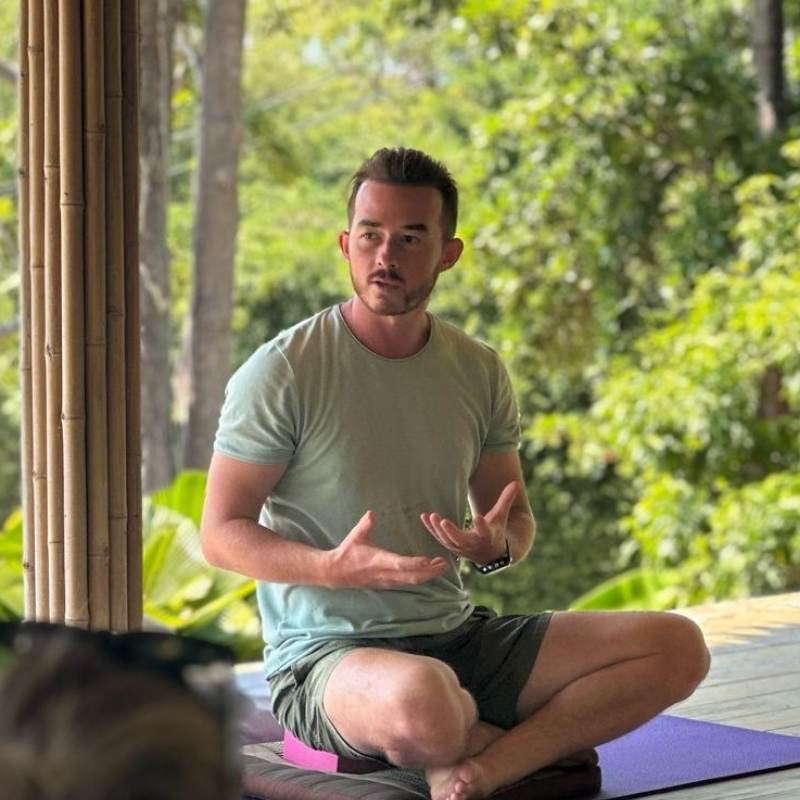
About Diego Pauel
Diego is a certified breathwork facilitator, freediving instructor, and founder of Breathflow Connection. With years of experience in nervous system regulation and somatic practices, Diego helps stressed professionals find calm through simple, science-backed techniques.
Learn More →Try Our Free Interactive Tools
Start regulating your nervous system today.
Get the free 3-minute audio guide and symptom checklist. Delivered instantly.
Get Your Free ResetContinue reading

Nervous System Reset for Sleep: Your Complete Bedtime Routine
A complete 90 minute bedtime routine to reset your nervous system for deep sleep. Breathwork, light science, and tempera
Read More →
How Long Does It Take to Regulate Your Nervous System? (Timeline Guide)
Discover the realistic timeline for nervous system regulation. Week by week breakdown of what to expect from breathwork
Read More →
Morning Anxiety: Why You Wake Up Anxious and How to Stop It
Learn why you wake up anxious every morning and how to stop it. The cortisol awakening response and a 6 step morning res
Read More →