Vagus Nerve Exercises for Anxiety: 10 Beginner Friendly Techniques
Free: 3-Minute Nervous System Reset
Get the audio guide and symptom checklist that shows you exactly how to calm your nervous system in under 3 minutes. Delivered straight to your inbox.
TL;DR
Your vagus nerve controls your body's calm response. When you stimulate it, anxiety decreases immediately. This guide teaches 10 simple exercises that activate your vagus nerve. Cold water, humming, slow breathing, and gentle movement all work. Most techniques take under 5 minutes and require no equipment. Daily practice builds long term anxiety resilience by increasing vagal tone.
Your heart is racing. Your mind won't stop. You need relief now.
There's a nerve in your body that can shut off anxiety in minutes. It's called your vagus nerve. And you can activate it on purpose.
These 10 exercises work fast. No meditation required. No complicated breathing patterns to memorize. Just simple techniques backed by neuroscience.
You're about to learn exactly how to calm your nervous system whenever you need to. Let's start with understanding what this nerve actually does.
What Is the Vagus Nerve and Why Does It Matter?
Your vagus nerve is the longest nerve in your body. It runs from your brainstem down through your neck, chest, and abdomen. It connects your brain to your heart, lungs, and digestive system.
This nerve is the main pathway of your parasympathetic nervous system. That's your rest and digest mode. When your vagus nerve is active, your body knows it's safe to relax.
Dr. Stephen Porges, who created polyvagal theory, explains: "The vagus nerve acts as a brake on the stress response. When vagal tone is high, you can shift from states of defense to states of safety and social engagement."
Think of your vagus nerve as the off switch for anxiety. When it's working well, you recover quickly from stress. When it's not, you stay anxious even when the threat is gone.
Vagal Tone: Your Anxiety Resilience Marker
Vagal tone measures how well your vagus nerve functions. High vagal tone means you adapt to stress easily. Low vagal tone means you get stuck in anxiety.
Research published in Biological Psychology (2024) found that people with higher vagal tone show 47% better emotional regulation. They recover from stressful events faster. They experience less chronic anxiety.
The good news? You can improve your vagal tone. These exercises are how you do it. Think of them as workouts for your calm response.
How Vagus Nerve Activation Reduces Anxiety
When you activate your vagus nerve, several things happen immediately.
Your heart rate slows. Your breathing deepens. Your blood pressure drops. Cortisol production decreases. Muscles release tension. Digestive function improves.
Your brain receives signals that you're safe. This turns off the anxiety alarm. Racing thoughts slow down. The feeling of dread lifts.
A 2025 study in Frontiers in Neuroscience measured these changes in real time. Vagus nerve stimulation reduced anxiety symptoms by 52% within 10 minutes. The effect lasted for hours after the practice ended.
10 Vagus Nerve Exercises That Work
These exercises are ranked from easiest to most involved. Start with the first few. Add more as you get comfortable.
1. Cold Water Exposure
This is the fastest vagus nerve activator. Cold water on your face triggers something called the dive reflex. Your heart rate drops immediately. Your vagus nerve activates.
How to do it: Fill a bowl with ice water. Take a deep breath. Submerge your face for 15 to 30 seconds. Or splash very cold water on your face, focusing on your forehead and cheeks. You can also hold an ice pack on your face.
For a gentler version, run cold water on your wrists for 30 seconds. The effect is less dramatic but still works.
Research from the European Journal of Applied Physiology (2024) shows cold water immersion increases vagal tone by 34% immediately. The technique works within 30 seconds.
When to use it: Panic attacks. Intense anxiety. Any time you need immediate relief. This is your emergency tool.
2. Slow Deep Breathing
Breathing is the most accessible vagus nerve exercise. Slow exhales specifically activate your vagus nerve and parasympathetic system.
How to do it: Breathe in through your nose for 4 counts. Breathe out through your mouth for 6 to 8 counts. The exhale should be longer than the inhale. Repeat for 5 minutes.
You can also try box breathing or 4-7-8 breathing. Both activate the vagus nerve through controlled breath patterns.
The key is making your exhales long and slow. This signals safety to your nervous system. Your vagus nerve responds by activating the calm response.
Want a quick nervous system reset right now?
Get the free 3-minute audio guide and symptom checklist. Delivered instantly.
When to use it: Anytime, anywhere. This works at your desk, in meetings, before bed. Use it as your daily baseline practice.
3. Humming or Singing
Your vagus nerve runs right through your vocal cords. When you hum or sing, you create vibrations that physically stimulate the nerve.
How to do it: Hum any tune for 2 to 5 minutes. The vibration in your throat and chest is what matters, not the melody. You can also sing, chant "om," or make any sustained vocal sound.
Try humming while you drive. Sing in the shower. Chant during your morning routine. The informal approach works just as well as formal practice.
A 2024 study in the Journal of Voice Science found that 5 minutes of humming increased heart rate variability by 28%. HRV is a direct measure of vagal tone. Higher HRV means better stress resilience.
When to use it: During your commute. While doing household tasks. Anytime you can make noise without bothering others.
4. Gargling
This seems too simple to work. But gargling activates the muscles in the back of your throat. These muscles are connected to your vagus nerve.
How to do it: Take a mouthful of water. Gargle vigorously for 30 seconds. You should feel the muscles in your throat working. Do this 2 to 3 times.
For extra benefit, gargle until your eyes water slightly. This signals strong muscle activation and vagus nerve stimulation.
When to use it: Morning and night during your regular routine. After brushing your teeth. Any time you're in the bathroom.
5. Gentle Neck Stretches
Your vagus nerve travels through your neck. Gentle stretching in this area can stimulate the nerve and release tension that blocks vagal activation.
How to do it: Sit or stand comfortably. Slowly tilt your head to the right, bringing your ear toward your shoulder. Hold for 30 seconds. Return to center. Repeat on the left. Then look over your right shoulder, hold, return, and repeat left.
Move slowly and gently. You're not trying to stretch as far as possible. You're creating gentle movement in the area where your vagus nerve runs.
When to use it: After sitting at a desk for long periods. When you notice neck tension. Combined with breathing exercises for enhanced effect.
6. Diaphragmatic Breathing
Most people breathe shallowly into their chest. This keeps you in sympathetic mode. Diaphragmatic breathing activates your vagus nerve through deep belly expansion.
How to do it: Lie down or sit comfortably. Place one hand on your chest and one on your belly. Breathe in through your nose, letting your belly rise while your chest stays relatively still. Breathe out slowly through your mouth. Practice for 5 to 10 minutes.
Your belly should move more than your chest. This means you're breathing with your diaphragm, not your upper chest muscles.
Research in Applied Psychophysiology and Biofeedback (2025) found that diaphragmatic breathing for 10 minutes daily reduced anxiety scores by 44% after 4 weeks. Participants also reported better sleep and less muscle tension.
When to use it: Before bed to prepare for sleep. During the day when you can lie down. As part of your morning 5 minute reset routine.
7. Laughter and Social Connection
Genuine laughter and positive social interaction both activate your vagus nerve. This is why you feel better after laughing with friends.
How to do it: Watch something funny. Call a friend who makes you laugh. Play with your kids or pets. Engage in genuine social connection without screens.
Even forced laughter works. Your body responds to the physical act of laughing, not just genuine amusement. Laughter yoga uses this principle.
When to use it: When you're isolating due to anxiety. When you need connection. As a daily practice of joy.
8. Gentle Exercise or Walking
Moderate movement activates your vagus nerve. You're not trying to exhaust yourself. Gentle, rhythmic movement works best.
How to do it: Walk at a comfortable pace for 10 to 20 minutes. Practice yoga or tai chi. Do gentle stretching. Swim or bike at an easy pace.
Want a quick nervous system reset right now?
Get the free 3-minute audio guide and symptom checklist. Delivered instantly.
The key is staying in a zone where you can breathe easily and maintain conversation. If you're huffing and puffing, you've activated your sympathetic system instead.
Pair the movement with nasal breathing for enhanced vagal activation. Breathe in and out through your nose while you walk.
When to use it: Morning or afternoon. Not right before bed. After stressful events to help process the stress response.
9. Massage and Acupressure
Certain areas of your body connect directly to vagus nerve pathways. Gentle massage or pressure activates the nerve through these connections.
How to do it: Massage the sides of your neck gently with your fingertips, moving from below your ears down toward your collarbone. Massage your earlobes. Press gently on the area between your collarbones. Apply gentle pressure to the inside of your wrist.
Use slow, circular motions. Light to moderate pressure. This should feel relaxing, not painful.
When to use it: Combined with breathing exercises. During moments of high tension. While watching TV in the evening.
10. Probiotics and Gut Health
This is the only technique on this list that isn't immediate. But your gut health affects your vagal tone significantly. Your vagus nerve connects your gut to your brain.
How to do it: Eat fermented foods like yogurt, kefir, sauerkraut, or kimchi. Consider a quality probiotic supplement. Increase fiber intake. Reduce processed foods and sugar.
The gut brain connection works through your vagus nerve. A healthier gut microbiome improves vagal signaling. This reduces anxiety over time.
A 2024 study in Psychopharmacology found that probiotic supplementation for 8 weeks reduced anxiety symptoms by 37%. The effect correlated with increased vagal tone measured through HRV.
When to use it: As a long term strategy. Start now and maintain consistently. Combine with the other techniques for comprehensive nervous system support.
Creating Your Daily Vagus Nerve Practice
Using these techniques once helps. Building them into your routine transforms your anxiety resilience.
Morning Routine
Start your day with vagal activation. This sets your nervous system baseline for the entire day.
Try this sequence. Cold water on your face for 30 seconds. Five minutes of diaphragmatic breathing. Two minutes of humming while you get ready.
This takes under 10 minutes. Your nervous system starts from calm instead of stress. You'll notice better stress management all day.
Throughout the Day
Use quick techniques when stress hits. Cold water on wrists. Slow breathing for 2 minutes. Humming during your commute. Gargling when you use the bathroom.
These micro practices prevent stress accumulation. You reset before dysregulation sets in.
Evening Wind Down
Evening vagal activation prepares your body for sleep. This is especially important if you struggle with the tired but wired pattern.
Try gentle neck stretches. Ten minutes of diaphragmatic breathing. Self massage on your neck and shoulders. This signals to your nervous system that the day is done.
Building Long Term Vagal Tone
Think of vagal tone like a muscle. Regular practice makes it stronger. You'll recover from stress faster. Your baseline anxiety decreases. Small stressors stop triggering big reactions.
Research on nervous system regulation timelines shows measurable improvement in 2 to 4 weeks with daily practice. By 8 weeks, most people report significant anxiety reduction.
Combining Vagus Nerve Exercises with Other Practices
These exercises work powerfully with other nervous system techniques.
Breathwork + Vagus Nerve Activation
Start with cold water to activate your vagus nerve. Then practice 5 minutes of box breathing. The cold water primes your system. The breathing sustains and deepens the effect.
This combination is especially effective for panic or intense anxiety. The cold water interrupts the panic response. The breathing prevents it from returning.
Somatic Practices + Vagal Activation
Before somatic exercises, activate your vagus nerve with humming or gentle breathing. This creates enough safety for your body to release stored tension.
Without vagal activation first, somatic work can feel overwhelming. The vagus nerve activation builds the foundation of safety you need.
HRV Tracking + Vagus Nerve Exercises
If you track your heart rate variability, you can see vagus nerve activation in real time. Practice a technique, then check your HRV. You'll see the number increase as your vagal tone improves.
This biofeedback helps you identify which exercises work best for your body. It also provides motivation as you watch your vagal tone improve over weeks.
What to Expect: Results Timeline
Vagus nerve exercises work on multiple timescales.
Immediate: During Practice
Cold water works in 30 seconds. Humming shows effects within 2 minutes. Breathing techniques calm you in 5 minutes. You'll feel the shift happen.
Your heart rate slows. Breathing deepens. Muscle tension releases. Racing thoughts quiet down. This is your vagus nerve turning on.
First Week: Learning Your Techniques
Practice 2 to 3 techniques daily. You'll discover which ones work best for you. Some people love cold water. Others prefer humming. Find your favorites.
You'll also start noticing you can interrupt anxiety more easily. The techniques give you a tool when anxiety hits. This sense of control reduces overall anxiety.
Weeks 2 to 4: Improved Vagal Tone
Your baseline vagal tone increases. This means you're calmer throughout the day, not just during practice. You recover from stress faster. Small triggers stop causing big reactions.
Sleep often improves. Digestion gets better. These are signs your parasympathetic nervous system is working properly again.
Weeks 6 to 12: Long Term Changes
Consistent practice creates lasting changes in your nervous system. Your vagal tone stabilizes at a higher level. Anxiety becomes the exception, not the default.
You still experience stress. But you don't get stuck in it. Your nervous system knows how to return to calm. This is what nervous system regulation looks like.
Your Next Step: Start Today
You now have 10 proven techniques to activate your vagus nerve and reduce anxiety. Don't wait. Pick one and try it right now.
Start with cold water if you need immediate relief. Start with breathing if you want a gentle introduction. Start with humming if you want something you can do while multitasking.
Just start.
For a structured approach, download our free 3 Minute Reset guide. It combines vagus nerve activation with breathwork for maximum effect in minimum time.
The guide includes:
- Exact sequence for fastest vagal activation
- Audio guide to follow along with
- How to use it for panic attacks
- Daily practice schedule
- Progress tracking tools
Download the free 3 Minute Reset guide here and start building your vagal tone today.
Your vagus nerve is waiting. Give it the activation it needs. Your anxiety doesn't stand a chance.
Frequently Asked Questions
What are the best vagus nerve exercises for anxiety?
The best exercises are cold water exposure, deep breathing, humming or singing, and gargling. These activate your vagus nerve immediately. Cold water on your face triggers the dive reflex. Humming creates vibrations that stimulate the nerve. Slow breathing activates parasympathetic mode. All of these work within minutes and require no equipment.
How do I activate my vagus nerve for anxiety?
Start with cold water on your face. Fill a bowl with ice water and submerge your face for 15 to 30 seconds. Or splash cold water on your face and wrists. This triggers an immediate calm response. You can also try humming, singing, or gargling. These create vibrations that stimulate your vagus nerve. The effect is instant and measurable.
How long does it take for vagus nerve exercises to work?
Most exercises work immediately. Cold water triggers a response in 30 seconds or less. Humming and breathing show effects within 2 to 5 minutes. For long term vagal tone improvement, practice daily for 2 to 4 weeks. You'll notice faster stress recovery and lower baseline anxiety. Consistent practice builds lasting nervous system resilience.
Can you do vagus nerve exercises every day?
Yes. Daily practice is recommended. Your vagal tone improves with repetition, like building a muscle. Practice 2 to 3 techniques each day. Morning and evening sessions work well. There are no negative side effects from daily vagus nerve activation. In fact, daily practice produces better results than occasional use.
What does vagus nerve stimulation feel like?
You feel an immediate sense of calm. Your heart rate slows. Breathing deepens naturally. Muscle tension releases. Some people describe it as a wave of relaxation. Others notice their racing thoughts slow down. You might yawn, sigh, or feel warmth in your chest. These are all signs your parasympathetic nervous system is activating.
Does humming really stimulate the vagus nerve?
Yes. Humming creates vibrations in your throat and chest. These vibrations physically stimulate your vagus nerve, which runs through this area. Research shows humming increases heart rate variability, a marker of vagal tone. Even 1 to 2 minutes of humming produces measurable effects. Singing and chanting work the same way.
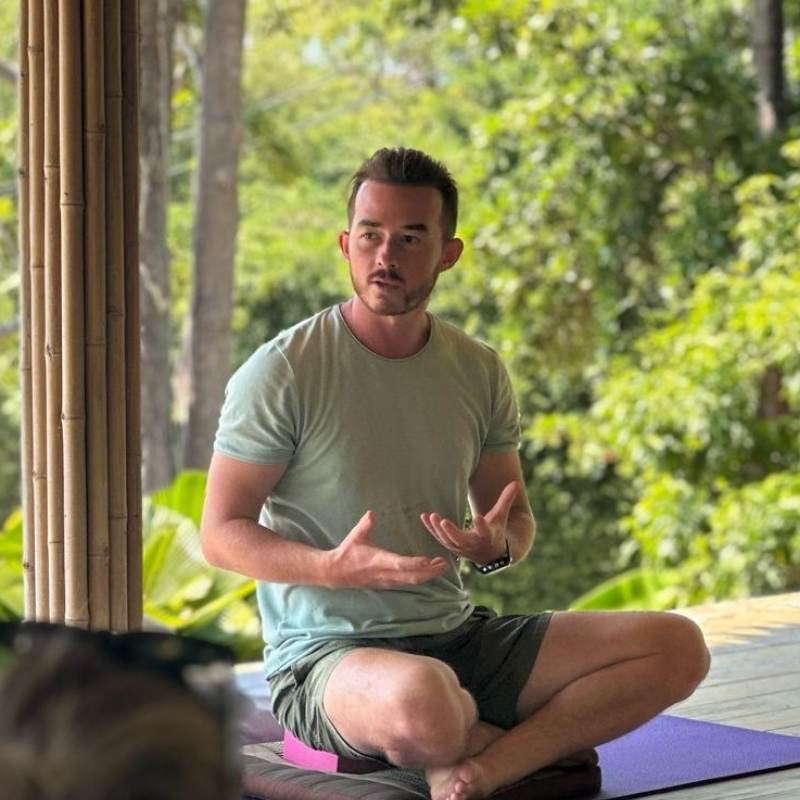
About Diego Pauel
Diego is a certified breathwork facilitator, freediving instructor, and founder of Breathflow Connection. With years of experience in nervous system regulation and somatic practices, Diego helps stressed professionals find calm through simple, science-backed techniques.
Learn More →Try Our Free Interactive Tools
Start regulating your nervous system today.
Get the free 3-minute audio guide and symptom checklist. Delivered instantly.
Get Your Free ResetContinue reading
Body Scan Meditation for Anxiety: A Step by Step Guide That Actually Works
Learn body scan meditation for anxiety with this step by step guide. Research shows it reduces stress more than breathin
Read More →
Heart Racing from Anxiety? 6 Techniques to Slow It Down in Minutes
Heart racing from anxiety? Learn 6 science-backed techniques to slow your heart rate in minutes. Understand why it happe
Read More →