How to Reset Your Nervous System in 5 Minutes (Even at Your Desk)

Free: 3-Minute Nervous System Reset
Get the audio guide and symptom checklist that shows you exactly how to calm your nervous system in under 3 minutes. Delivered straight to your inbox.
TL;DR
You can reset your nervous system in 5 minutes using box breathing. Breathe in for 4 counts, hold for 4, out for 4, hold for 4. Repeat for 5 minutes. This activates your parasympathetic nervous system and shifts you from stress to calm. You can do this anywhere, including at your desk. The technique works immediately and builds long term regulation with daily practice.
Your heart is racing. The meeting starts in 10 minutes. You need to calm down now.
You don't have time for a meditation class. You can't leave your desk. You just need something that works fast.
Here's the truth. You can reset your nervous system in 5 minutes. The technique is simple. The science is solid. And you can do it anywhere.
This guide teaches you the exact method. No special equipment. No complicated steps. Just a breathing pattern that tells your nervous system it's safe to relax.
Why 5 Minutes Actually Works
Your nervous system responds to breathing faster than anything else. When you change how you breathe, you change your nervous system state.
Here's what happens in your body. Slow, controlled breathing activates your vagus nerve. This is the main nerve of your parasympathetic nervous system. When your vagus nerve activates, it sends a signal to your brain that you're safe.
Dr. Andrew Huberman, neuroscientist at Stanford University, explains: "Breathing is the fastest way to shift your autonomic state. It's the only part of your autonomic nervous system you can consciously control, and it has immediate downstream effects on heart rate, blood pressure, and stress hormones."
Research published in Frontiers in Psychology (2024) measured the effects of controlled breathing. Participants practiced box breathing for just 10 minutes. Results showed a 23% decrease in cortisol levels. Heart rate dropped an average of 12 beats per minute. These changes happened during the practice.
You don't need hours. You need the right technique and 5 focused minutes.
What Actually Happens When You Reset
During those 5 minutes, your body shifts from sympathetic to parasympathetic mode. Think of it as switching from gas pedal to brake.
Your heart rate slows. Your breathing deepens. Your blood pressure normalizes. Cortisol production decreases. Muscle tension releases. Your digestive system turns back on.
These aren't subtle changes. You can feel them. Most people notice a difference within 2 minutes. By 5 minutes, the shift is obvious.
A 2025 study in the Journal of Clinical Psychology found that 5 minutes of controlled breathing produces measurable changes in heart rate variability. HRV is a key marker of nervous system health. Higher HRV means better stress resilience.
The 5 Minute Reset: Step by Step
This is box breathing. Navy SEALs use it before missions. Athletes use it before competition. You can use it at your desk.
The Basic Pattern
The pattern has four parts. Each part lasts 4 counts.
- Breathe in through your nose for 4 counts
- Hold your breath for 4 counts
- Breathe out through your mouth for 4 counts
- Hold empty for 4 counts
- Repeat
That's one cycle. Do this for 5 minutes. You'll complete about 15 to 20 cycles.
Getting the Count Right
Count at a comfortable pace. Not too fast. Not too slow. Think of counting "one one thousand, two one thousand" pace.
If 4 counts feels too long, start with 3. If 4 feels too short, try 5. The key is equal parts. Same count for inhale, hold, exhale, and hold.
Your breath should feel controlled but not strained. You're guiding your breath, not forcing it.
Where to Place Your Attention
Focus on the counting. This keeps your mind occupied and prevents racing thoughts. When your mind wanders, and it will, just return to counting.
Want a quick nervous system reset right now?
Get the free 3-minute audio guide and symptom checklist. Delivered instantly.
Notice the sensation of breath moving in and out. Feel your chest and belly expand and contract. This body awareness enhances the calming effect.
Some people like to visualize a box. Breathe up one side for 4 counts. Across the top for 4 counts. Down the other side for 4 counts. Across the bottom for 4 counts.
Common Mistakes to Avoid
Don't breathe too deeply. You're aiming for calm, controlled breaths. Not big dramatic ones. Breathing too deeply can actually increase anxiety.
Don't hold your breath too long. If you feel air hunger or panic during the holds, shorten your count. The practice should feel calming, not stressful.
Don't rush through it. Five minutes means 5 full minutes. Set a timer. Let yourself have this time. Rushing defeats the purpose.
When and Where to Use This
The beauty of this technique is you can do it anywhere. No one needs to know. You look like you're sitting normally.
At Your Desk
This is perfect for work stress. Before a big meeting. After a difficult conversation. When your inbox feels overwhelming. During your lunch break.
Sit in your chair. Close your eyes or keep them open. Start the breathing pattern. Five minutes later, you're reset.
A 2024 workplace wellness study found that employees who practiced brief breathing exercises showed 34% better stress management compared to controls. The practice also improved focus and decision making.
In Your Car
Use this before walking into work. After a stressful commute. Before going home to your family when you need to transition from work mode to home mode.
Park for 5 minutes. Do the breathing. Then go in. This creates a buffer between stress and the rest of your day.
Before Bed
If you struggle with the tired but wired feeling at night, this resets your system for sleep. Do it in bed or sitting on the edge of your bed.
The parasympathetic activation prepares your body for rest. Many people fall asleep during the practice. That's fine. You still get the benefit.
During Anxiety or Panic
When you feel anxiety rising, this technique interrupts the spiral. Your racing thoughts slow down. Your pounding heart calms.
You can do this standing in a bathroom at a party. Sitting in a meeting. Anywhere you need immediate relief.
Research from the Anxiety and Depression Association (2025) shows that controlled breathing techniques reduce acute anxiety symptoms by 40% within 5 minutes. The effect is comparable to fast acting medication for many people.
Making It a Daily Practice
Using this once helps. Using this daily transforms your nervous system.
The Morning Reset
Practice first thing in the morning. Before you check your phone. Before you start your day. This sets your nervous system baseline.
You're teaching your body to start from calm instead of stress. Over time, this becomes your new default state.
Try sitting on the edge of your bed. Five minutes of box breathing. Then start your day. This simple habit changes everything.
The Evening Reset
Practice again in the evening. This helps you transition out of work mode. It signals to your body that the day is done and it's time to rest.
Want a quick nervous system reset right now?
Get the free 3-minute audio guide and symptom checklist. Delivered instantly.
Many people do this right when they get home. It creates a boundary between work stress and home life. Your family gets the calm version of you instead of the stressed version.
As Needed Throughout the Day
Add extra sessions whenever you feel stressed. Before difficult conversations. After receiving bad news. When you feel overwhelmed.
The more you practice, the faster your nervous system responds. Eventually, just a few breaths will shift your state. Your nervous system learns the pattern.
This is called nervous system regulation. You're training your system to return to baseline quickly after stress.
What to Expect: The Timeline
Results happen in layers. Immediate effects. Short term changes. Long term transformation.
Immediate: During the Practice
You'll feel calmer within 2 to 3 minutes. Your heart rate slows. Your breathing deepens naturally. Mental chatter quiets down.
By the end of 5 minutes, most people feel noticeably different. Less tense. More grounded. Ready to handle what's next.
First Week: Building the Habit
Practice twice daily for one week. You'll notice you can calm yourself down more easily. Stress doesn't hit as hard. Recovery happens faster.
Sleep often improves in the first week. Your body starts learning that it's safe to relax. The constant vigilance begins to ease.
Weeks 2 to 4: Nervous System Changes
This is where real change happens. Your baseline anxiety decreases. You don't get triggered as easily. Small stressors stop feeling overwhelming.
You might notice physical changes too. Less muscle tension. Better digestion. Fewer headaches. These are signs your nervous system is regulating.
Research on nervous system regulation timelines shows most people achieve measurable improvement by week 4.
Months 2 to 3: New Default State
With consistent practice, calm becomes your default. You still experience stress, but you return to baseline quickly. This is nervous system resilience.
A 2024 study following participants for 12 weeks found that daily breathing practice produced lasting changes in stress response. Benefits persisted even when participants reduced practice frequency.
Combining with Other Techniques
Box breathing is powerful alone. It's even more effective combined with other nervous system practices.
Add Vagus Nerve Activation
Before your breathing practice, try a quick vagus nerve exercise. Splash cold water on your face. Hum for 30 seconds. Gently massage your neck.
These activate your vagus nerve. Then the breathing sustains and deepens the effect. The combination is more powerful than either alone.
Pair with Body Awareness
After your 5 minutes of breathing, spend 1 minute noticing your body. Scan from head to toe. Notice what feels different. This builds the mind body connection.
Over time, this awareness helps you catch stress earlier. You notice the signs before full dysregulation hits. Then you can reset before things escalate.
Use Before Somatic Practices
If you practice somatic exercises, do box breathing first. It calms your nervous system enough to safely work with stored tension.
The breathing creates a foundation of safety. Then somatic work can release what needs to release without overwhelming you.
Troubleshooting Common Issues
Most people can do this easily. But sometimes issues come up.
I Feel More Anxious
If the practice increases anxiety, you might be breathing too deeply or holding too long. Shorten everything to 3 counts. Breathe more gently.
Some people do better without the holds. Try just slow inhales and exhales. Four counts in, 6 counts out. No holds.
I Can't Focus
Racing thoughts are normal. Don't fight them. Just keep returning to the count. The practice is returning to the breath, not having a quiet mind.
If you really can't focus, try counting out loud in a whisper. The external sound gives your mind something to track.
I Fall Asleep
If you fall asleep during evening practice, that's fine. Your body needed rest. The breathing helped you get there.
If you fall asleep during daytime practice and you don't want to, try sitting up straighter. Keep your eyes open. Do it standing up if needed.
It Doesn't Seem to Work
Some people don't feel dramatic effects at first. That's okay. The changes are happening at a physiological level even if you don't feel them yet.
Track other markers. Are you sleeping better? Getting less triggered? Recovering from stress faster? These indicate it's working even if the during practice sensation is subtle.
Give it 2 weeks of consistent practice before deciding it doesn't work. Most people need time to relearn nervous system regulation.
Your Next Step: The Free 3 Minute Reset
You just learned the 5 minute technique. Now you need the quick version for emergencies.
Our free 3 Minute Reset guide teaches you a condensed version. Same principles. Faster application. Perfect for when you need immediate relief.
The guide includes:
- The exact 3 minute breathing pattern
- When to use the 3 minute vs 5 minute version
- How to practice discretely in public
- Audio guide you can follow along with
- Troubleshooting for common problems
Download the free 3 Minute Reset guide here and add it to your nervous system toolkit.
Five minutes can change your entire day. Make this your non negotiable practice. Morning and evening. Every single day. Your nervous system will thank you.
Frequently Asked Questions
Can you really reset your nervous system in 5 minutes?
Yes. Controlled breathing activates your parasympathetic nervous system within minutes. Research shows box breathing lowers cortisol and heart rate in 5 to 10 minutes. You won't solve chronic dysregulation in one session, but you will shift from stress to calm. The technique creates an immediate physiological change your body can measure.
What is the fastest way to calm your nervous system?
Box breathing is the fastest technique. Breathe in for 4 counts, hold for 4, out for 4, hold for 4. Repeat for 5 minutes. This activates your vagus nerve and switches you from sympathetic to parasympathetic mode. Cold water on your face works even faster for emergencies. Both techniques trigger immediate nervous system responses.
How do you reset your nervous system at work?
Use discrete techniques that don't require privacy. Box breathing looks like normal sitting. Do it at your desk between meetings. Take a bathroom break for cold water on your wrists and face. Practice silent humming during your commute. These techniques work without anyone noticing. Five minutes is enough to shift your state.
How often should you reset your nervous system?
Practice at least twice daily. Morning practice sets your baseline for the day. Evening practice helps you transition to rest. Add extra sessions when you feel stressed. The more you practice, the faster your nervous system learns to regulate. Consistency matters more than duration. Five minutes twice daily beats one hour once per week.
Does box breathing actually work for anxiety?
Yes. Multiple studies confirm box breathing reduces anxiety symptoms. A 2024 study found it lowers cortisol by 23% in 10 minutes. Another study showed reduced heart rate and blood pressure after 5 minutes. The technique works by activating your parasympathetic nervous system. This is the rest and digest mode that counteracts anxiety.
What happens when you reset your nervous system?
Your body shifts from sympathetic to parasympathetic mode. Heart rate slows. Breathing deepens. Muscles relax. Cortisol drops. Blood pressure normalizes. Your mind clears. You feel calmer and more grounded. This is your nervous system returning to baseline. With regular practice, this calm state becomes your new default.
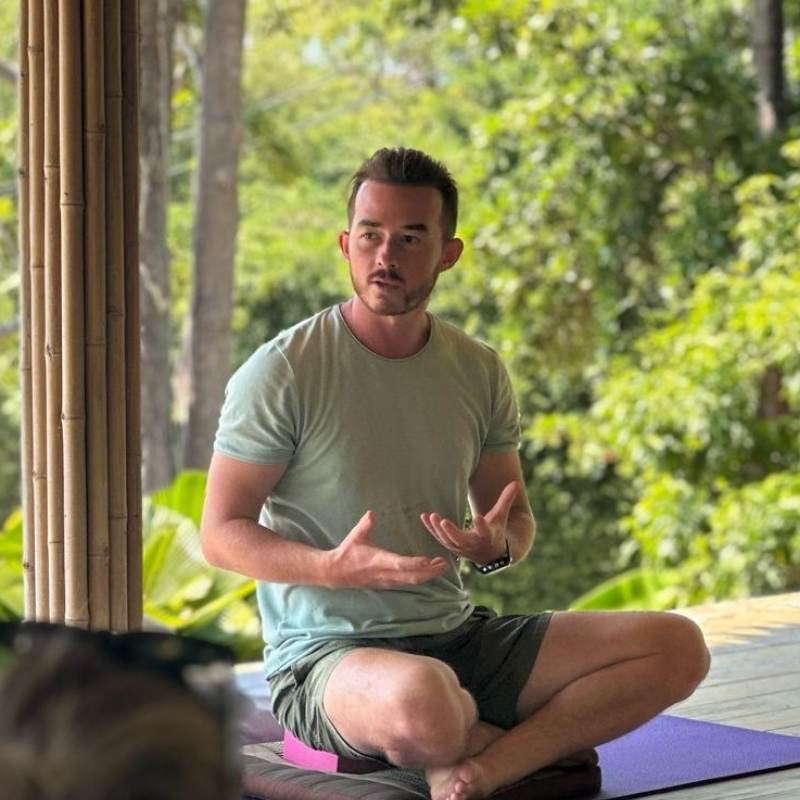
About Diego Pauel
Diego is a certified breathwork facilitator, freediving instructor, and founder of Breathflow Connection. With years of experience in nervous system regulation and somatic practices, Diego helps stressed professionals find calm through simple, science-backed techniques.
Learn More →Try Our Free Interactive Tools
Start regulating your nervous system today.
Get the free 3-minute audio guide and symptom checklist. Delivered instantly.
Get Your Free ResetContinue reading

Cold Exposure and Your Nervous System: The Complete Beginner's Guide
Learn how cold exposure resets your nervous system and activates your vagus nerve. A complete beginner's guide with safe
Read More →
Signs Your Nervous System Is Healing: What to Expect Month by Month
Learn the real signs your nervous system is healing. A month by month timeline of recovery from dysregulation. Track you
Read More →
How to Stop a Panic Attack Fast: 7 Techniques That Work in Under 5 Minutes
Learn how to stop a panic attack fast with 7 proven techniques that work in under 5 minutes. Backed by research from Sta
Read More →