The 4 Trauma Responses Explained: Fight, Flight, Freeze, and Fawn

Free: 3-Minute Nervous System Reset
Get the audio guide and symptom checklist that shows you exactly how to calm your nervous system in under 3 minutes. Delivered straight to your inbox.
TL;DR
Your nervous system has four survival strategies: fight, flight, freeze, and fawn. Fight looks like anger and control. Flight shows up as anxiety and overworking. Freeze feels like numbness and brain fog. Fawn presents as people pleasing and conflict avoidance. Most people have a primary and secondary response. Understanding your pattern is the first step toward regulating your nervous system and breaking free from automatic reactions that no longer serve you.
Someone criticizes your work. What do you do?
Maybe your jaw tightens and you fire back a response. Maybe your chest gets tight and you spiral into overthinking for the next three hours. Maybe your mind goes blank and you stare at the screen, unable to form words. Or maybe you smile, agree with everything they said, and apologize even though you did nothing wrong.
These are not personality traits. They are trauma responses. And your nervous system chose them for you a long time ago.
A 2024 survey published by the American Psychological Association found that 67% of adults report their stress levels have increased over the past five years, with the majority describing their reactions to daily stressors as automatic and difficult to control. That automatic quality is your nervous system running a survival program it learned early in life.
The four trauma responses were first described in clinical trauma literature by therapist Pete Walker, who expanded the traditional fight or flight model to include freeze and fawn. His work revealed that most people do not just fight or flee. They have a full repertoire of survival strategies. And these strategies shape everything from your career choices to your closest relationships.
This guide breaks down all four responses, helps you identify your dominant pattern, and gives you specific practices for each one.
Why Your Nervous System Chooses a Trauma Response
Your autonomic nervous system is always scanning for danger. Dr. Stephen Porges calls this process neuroception. It happens below conscious awareness. Before you even think about a situation, your body has already decided whether you are safe or threatened.
When your neuroception detects danger, your nervous system picks the survival strategy most likely to keep you alive. It does not ask for your input. It acts.
In childhood, your nervous system tested different responses and kept the ones that worked. If expressing anger got you punished, fight got shelved. If running away or staying busy kept you safe from emotional chaos, flight became your default. If shutting down protected you from overwhelming situations, freeze became home base. If making others happy prevented conflict, fawn became your go to strategy.
These patterns made sense when they formed. The problem is they keep running decades later, in situations where you no longer need them.
The Nervous System Hierarchy
Your nervous system follows a specific order when responding to threat. Dr. Porges's polyvagal theory maps this hierarchy.
First, your system tries social engagement. You look for connection and support. If that fails, it moves to fight or flight. Your sympathetic nervous system activates, mobilizing energy to confront or escape the threat. If fight and flight both fail or are not possible, your system moves to freeze. The dorsal vagal complex shuts things down. You go numb, immobile, and disconnected.
Fawn sits alongside this hierarchy as a hybrid strategy. Pete Walker described it as a combination of social engagement and appeasement, where your system attempts to manage the threat by merging with it rather than opposing or escaping it.
Understanding this hierarchy matters because it explains why you sometimes shift between responses. You might start in fight mode, realize that is not working, and collapse into freeze within minutes. That is your nervous system moving down the hierarchy, searching for safety.
The Fight Response: When Your Body Chooses Confrontation
Fight is mobilized energy directed outward. Your sympathetic nervous system floods your body with adrenaline and cortisol. Your muscles tense. Your heart rate spikes. You are ready for battle.
Want a quick nervous system reset right now?
Get the free 3-minute audio guide and symptom checklist. Delivered instantly.
How Fight Shows Up in Daily Life
Fight does not always look like physical aggression. In modern life it often wears a mask of productivity and control.
- Quick to anger or irritation over small things
- Needing to be right in arguments
- Perfectionism and harsh self criticism
- Controlling behavior toward others or situations
- Snapping at loved ones and regretting it later
- Clenching your jaw, fists, or stomach throughout the day
- Feeling rage that seems disproportionate to the situation
- Becoming confrontational when challenged
Fight at Work and in Relationships
At work, the fight response creates the perfectionist who cannot delegate. You take on too much because nobody does it as well as you do. You get frustrated when colleagues do not meet your standards. Feedback feels like a personal attack.
In relationships, fight shows up as defensiveness. Your partner brings up an issue and you immediately counter with their faults. Conversations escalate quickly because your nervous system treats every disagreement as a threat to your survival.
Practices for the Fight Response
Your nervous system has excess mobilized energy that needs somewhere to go. Suppressing it makes things worse. You need to discharge it physically.
- Intense physical exercise. Running, boxing, swimming. Move the energy through your body and out. This completes the stress response cycle that fight keeps activating.
- Extended exhale breathing. Breathe in for 4 counts, out for 8 counts. The long exhale activates your vagus nerve and puts the brakes on sympathetic activation.
- Somatic shaking. Stand and shake your whole body for 3 to 5 minutes. Let the aggressive energy move through you instead of staying trapped in your muscles.
- Pause practice. When you feel anger rising, take 90 seconds before responding. This is the biological time it takes for an adrenaline surge to pass through your system.
The Flight Response: When Your Body Chooses Escape
Flight is mobilized energy directed away from the threat. Your system screams "get out" and floods you with the urge to move, do, or escape.
How Flight Shows Up in Daily Life
Flight rarely looks like running from a room. In modern life it disguises itself as ambition and productivity.
- Chronic overworking and inability to rest
- Constant busyness as a way to avoid feelings
- Overthinking and mental spiraling
- Restlessness and difficulty sitting still
- Always planning, organizing, or optimizing
- Anxiety that feels like a motor running in your chest
- Feeling panicky when you have nothing to do
- Moving from one task, project, or relationship to the next without pausing
A 2025 study in the Journal of Occupational Health Psychology found that 43% of people who identify as workaholics showed nervous system profiles consistent with chronic sympathetic activation. Their busyness was not ambition. It was their nervous system running a flight program.
Flight at Work and in Relationships
At work, flight creates the person who never stops. You arrive early, leave late, and check email on weekends. Slowing down feels dangerous. If you stop, the anxiety catches up. So you keep moving.
In relationships, flight shows up as emotional unavailability. You are always too busy to have the difficult conversation. When things get emotionally intense, you find a task that needs doing. Your partner feels like they can never reach you because you are always running.
Practices for the Flight Response
Your nervous system needs to learn that stillness is safe. This is the opposite of what it wants, which means you start small.
- Grounding exercises. Press your feet into the floor. Feel the solid ground beneath you. This tells your nervous system you do not need to run.
- Box breathing. Equal counts in and out. The structure gives your racing mind something to focus on while slowing your system down.
- Scheduled rest. Start with 5 minutes of doing nothing. Literally nothing. No phone, no planning, no optimizing. Sit and let your nervous system learn that inactivity is not a threat.
- Body scan awareness. Lie down and slowly scan your body from feet to head. Notice where you feel the urge to move. Breathe into those areas. Let the restlessness be present without acting on it.
The Freeze Response: When Your Body Chooses Shutdown
Freeze happens when your nervous system determines that neither fighting nor fleeing will work. The dorsal vagal system activates. Everything slows down. You go offline.
Dr. Bessel van der Kolk, author of The Body Keeps the Score, explains that "the freeze response is the body's last resort when other survival strategies fail. The system shuts down to conserve energy and minimize pain."
How Freeze Shows Up in Daily Life
- Brain fog and difficulty thinking clearly
- Feeling numb or emotionally flat
- Zoning out during conversations or meetings
- Inability to make decisions even about simple things
- Feeling paralyzed when facing tasks or deadlines
- Dissociation or feeling disconnected from your body
- Excessive sleeping or difficulty getting out of bed
- Feeling like you are watching your life from behind glass
Freeze at Work and in Relationships
At work, freeze looks like procrastination on steroids. You stare at your screen but nothing happens. The email sits open for 45 minutes while you read the same paragraph repeatedly. Your boss asks for a decision and your mind goes blank. People mistake this for laziness. It is not. It is your nervous system in shutdown.
In relationships, freeze creates disconnection. Your partner tries to talk about something important and you check out mentally. You are physically present but emotionally gone. You might feel unable to express what you want or need because the words simply will not come. Over time, your partner feels like they are in a relationship with a wall.
Practices for the Freeze Response
Your nervous system needs gentle activation. Pushing too hard triggers more shutdown. Think of thawing, not forcing.
Want a quick nervous system reset right now?
Get the free 3-minute audio guide and symptom checklist. Delivered instantly.
- Gentle movement. Start with small motions. Wiggle your fingers and toes. Rock side to side. Slowly increase the movement as your body wakes up. Avoid anything intense that could overwhelm your system.
- Warmth. Hold a warm cup. Take a warm shower. Wrap yourself in a blanket. Warmth signals safety to a frozen nervous system and helps bring blood flow back to your extremities.
- Orienting. Look around the room slowly. Name five things you can see. This reconnects your awareness to the present environment and tells your system the threat is not here right now.
- Vocal activation. Hum, sing, or sigh out loud. Vagus nerve stimulation through vocalization helps bring your system back online from dorsal vagal shutdown.
The Fawn Response: When Your Body Chooses Appeasement
Pete Walker first coined the term "fawn response" in his book Complex PTSD: From Surviving to Thriving. He described it as a survival strategy where you abandon your own needs to serve others, hoping that compliance will keep you safe.
Fawn develops when a child learns that the safest option is to become whatever the threatening person needs them to be. Fighting was too dangerous. Running was impossible. Freezing did not help. But becoming agreeable, helpful, and invisible kept the peace.
How Fawn Shows Up in Daily Life
- Saying yes when you mean no
- Over apologizing for things that are not your fault
- Difficulty identifying your own needs, wants, or opinions
- Chronic people pleasing at the expense of your wellbeing
- Avoiding conflict at all costs
- Feeling responsible for other people's emotions
- Losing your sense of identity in relationships
- Suppressing your own emotions to keep others comfortable
Fawn at Work and in Relationships
At work, fawn creates the person who takes on everyone else's tasks. You volunteer for extra projects because saying no feels physically unsafe. You agree with your manager even when you have a better idea. You absorb criticism without defending yourself because confrontation triggers a survival response.
In relationships, fawn leads to a total loss of self. You become a mirror of your partner's preferences. You like what they like. You want what they want. You suppress your own needs so completely that when someone asks what you want for dinner, you genuinely do not know. The relationship feels safe on the surface, but underneath you are disappearing.
A 2024 study in the Journal of Interpersonal Violence found that individuals with a dominant fawn response reported significantly higher rates of burnout and emotional exhaustion compared to those with fight or flight patterns. The constant self abandonment creates a slow drain that eventually collapses into full breakdown.
Practices for the Fawn Response
Your nervous system needs to learn that having needs is safe. That your boundaries will not destroy your relationships. This takes time and patience.
- Boundary practice. Start impossibly small. Say "let me think about it" instead of immediately saying yes. This tiny pause interrupts the automatic fawn pattern without triggering a full survival response.
- Somatic boundary work. Press your hands against a wall and push. Feel your own strength and solidity. This gives your body the physical experience of having a boundary. Somatic exercises help rebuild the sense of self that fawning erodes.
- Needs identification. Three times a day, pause and ask yourself: what do I need right now? Not what does everyone else need. What do you need. Write it down. You are retraining your awareness to include yourself.
- Contained conflict. Practice expressing a minor disagreement in a safe relationship. Order what you actually want at a restaurant instead of saying "whatever you want." These small acts of authenticity rebuild neural pathways for self expression.
How to Identify Your Dominant Trauma Response
Most people have a primary response that activates first and a secondary response they shift to when the primary one fails. Read through these scenarios and notice which reaction feels most familiar in your body, not just your mind.
The Quick Check
When someone raises their voice at you, your first impulse is to:
- Raise your voice back or argue your point (Fight)
- Leave the room or start planning your exit (Flight)
- Go blank and feel unable to respond (Freeze)
- Apologize and try to calm them down (Fawn)
When you face an overwhelming deadline, you:
- Get angry at whoever set the deadline (Fight)
- Work frantically without breaks until it is done (Flight)
- Stare at your computer unable to start (Freeze)
- Take on extra work from others instead of focusing on your own (Fawn)
When a relationship becomes tense, you:
- Become defensive and point out their flaws (Fight)
- Stay busy to avoid the emotional conversation (Flight)
- Shut down emotionally and go quiet (Freeze)
- Do whatever it takes to make the other person happy (Fawn)
If you consistently chose the same letter, that is likely your dominant response. If you chose different ones depending on the scenario, your response shifts with context. That is completely normal.
Why Context Matters
You might fight at work but fawn in your romantic relationship. You might freeze during conflict with authority figures but flee when friendships get too close. Your nervous system adapts its strategy to each environment based on what worked in similar situations in your past.
Understanding your pattern of nervous system dysregulation across different contexts gives you a complete map of your survival strategies. With that map, you can start choosing responses instead of being hijacked by them.
Rewiring Your Trauma Responses
You cannot eliminate your trauma responses. They are wired into your nervous system for a reason. But you can widen the space between trigger and reaction. You can build the capacity to notice your response activating and choose a different path.
Step 1: Build Awareness
Start tracking your responses throughout the day. When you feel activated, pause and name what is happening. "My nervous system just went into fight." "I am fawning right now." This simple act of naming moves the experience from your survival brain to your prefrontal cortex, which gives you more choice.
Step 2: Regulate Your Baseline
A dysregulated nervous system triggers trauma responses faster and more intensely. Daily regulation practices raise your threshold. A simple 5 minute reset each morning builds the foundation for all other work. When your baseline is calmer, you have more time between trigger and response.
Step 3: Practice the Opposite
Each trauma response has a specific antidote. Fight needs softening and release. Flight needs stillness and grounding. Freeze needs gentle activation and warmth. Fawn needs boundaries and self expression. Practice these in safe, low stakes environments first. Then gradually apply them in more challenging situations.
Step 4: Track Your Progress
Change is gradual. You might not notice it day to day. But if you track your heart rate variability or keep a simple journal of your reactions, you will see the shift over weeks. Recovery time shortens. Reactions become less intense. You catch the pattern earlier. These are the real signs your nervous system is healing.
When to Seek Professional Support
If your trauma responses are rooted in significant childhood adversity, complex trauma, or PTSD, working with a trauma informed therapist accelerates the process. Modalities like Somatic Experiencing, EMDR, and Sensorimotor Psychotherapy are specifically designed to work with nervous system patterns. Self practice and professional support are not mutually exclusive. They work best together.
A Note from Diego
I spent years thinking I was a "flight" person. The busyness, the constant need to move and produce and optimize. I wore it like a badge of honor. I thought it meant I was driven.
Then I started working with my nervous system and realized my productivity was a survival strategy. Every time I slowed down, anxiety would flood my system. So I kept moving. I was not driven. I was fleeing.
The deeper work revealed a secondary fawn pattern I had never noticed. In close relationships, I would abandon my own needs completely. I could not name what I wanted. I genuinely did not know. I had spent so long adapting to everyone else that I lost track of myself.
Recognizing these patterns did not fix them overnight. But it changed everything. For the first time, I could see the program running. And once you see it, you can start to rewrite it.
If you recognize yourself in any of these descriptions, know that awareness is the hardest part. You have already done it by reading this far. The next step is building a daily practice that teaches your nervous system new options.
The free nervous system reset is a good place to start. It gives you a simple daily protocol that begins calming your baseline. And if you want a full structured program, the 7 Day Nervous System Reset walks you through specific practices for each response type with daily guided sessions.
Frequently Asked Questions
What are the 4 trauma responses?
The four trauma responses are fight, flight, freeze, and fawn. Fight shows up as anger, aggression, or the need to control. Flight manifests as anxiety, overworking, or constant busyness. Freeze looks like numbness, dissociation, or inability to act. Fawn presents as people pleasing, conflict avoidance, and loss of personal identity. Most people have a primary and secondary response they default to under stress.
What is the fawn trauma response?
The fawn response is a survival strategy where you prioritize other people's needs and emotions to avoid conflict or threat. It was first identified by therapist Pete Walker. Fawning looks like saying yes to everything, over apologizing, suppressing your own opinions, and losing your sense of identity. It develops when fighting, fleeing, or freezing did not keep you safe, so your nervous system learned that appeasing others was the best way to survive.
Can you have more than one trauma response?
Yes. Most people have a primary trauma response they default to under stress and a secondary response that activates when the first one does not resolve the situation. For example, you might fight at work by becoming controlling, then fawn in relationships by people pleasing. Your dominant pattern often depends on the context and how much threat your nervous system perceives.
How do I know which trauma response is my dominant one?
Pay attention to your automatic reaction when you feel threatened or stressed. If you get angry, argumentative, or need to take control, fight is your dominant response. If you feel anxious, restless, or start overworking, it is flight. If you go blank, zone out, or feel unable to move, it is freeze. If you immediately try to please others or avoid the conflict altogether, it is fawn. Notice what happens in your body first, before your thinking mind catches up.
Is the freeze response the same as dissociation?
Freeze and dissociation are related but not identical. Freeze is a nervous system state where your body becomes immobilized. Dissociation is a mental experience where you disconnect from your thoughts, feelings, or surroundings. Freeze often includes dissociation, but you can dissociate without the full physical freeze response. Both are protective mechanisms your nervous system uses when fight or flight is not possible.
How do you heal from trauma responses?
Healing starts with recognizing your dominant pattern. Then you work with your nervous system using body based practices. For fight responses, physical release and breathwork help discharge the mobilized energy. For flight, grounding and slow breathing counter the urgency. For freeze, gentle movement and warmth bring the body back online. For fawn, boundary practices and somatic awareness rebuild your sense of self. Consistent daily practice rewires these automatic patterns over time.
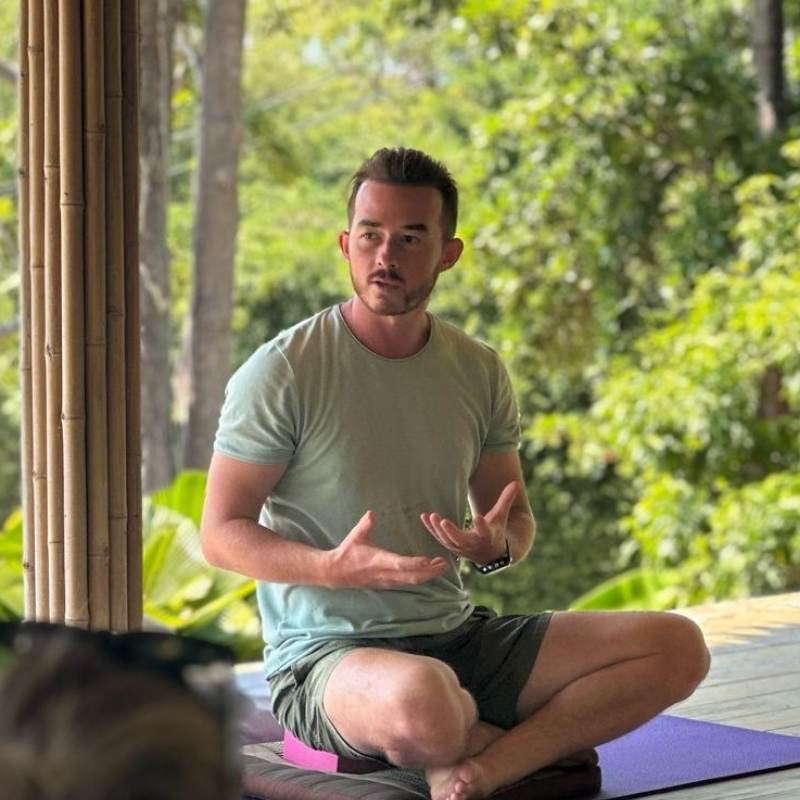
About Diego Pauel
Diego is a certified breathwork facilitator, freediving instructor, and founder of Breathflow Connection. With years of experience in nervous system regulation and somatic practices, Diego helps stressed professionals find calm through simple, science-backed techniques.
Learn More →Try Our Free Interactive Tools
Start regulating your nervous system today.
Get the free 3-minute audio guide and symptom checklist. Delivered instantly.
Get Your Free ResetContinue reading

What Causes Nervous System Dysregulation? 7 Root Causes Explained
Nervous system dysregulation has 7 root causes. Learn why chronic stress, trauma, poor sleep, and lifestyle factors keep
Read More →
Tired But Wired? Why You Can't Sleep (And How to Fix It Tonight)
Discover why you feel tired but wired at night and can't sleep. Learn science backed techniques to calm your nervous sys
Read More →
How to Calm Down Fast When Anxiety Hits: 5 Techniques That Work in Under 2 Minutes
Learn how to calm down fast when anxiety hits with 5 techniques that work in under 2 minutes. Science backed methods to
Read More →