Somatic Exercises for Overwhelm: 8 Body Based Practices for Burnout Recovery

Free: 3-Minute Nervous System Reset
Get the audio guide and symptom checklist that shows you exactly how to calm your nervous system in under 3 minutes. Delivered straight to your inbox.
TL;DR
Overwhelm and burnout store in your body as physical tension and nervous system dysregulation. Somatic exercises release this stored stress through gentle movement, shaking, and body awareness. The 8 practices in this guide help you discharge overwhelm from your nervous system. Most exercises take 5 to 10 minutes. Daily practice restores your capacity to handle stress without burning out.
You're doing all the right things. Breathing exercises. Meditation. Self care. But you still feel overwhelmed.
That's because stress isn't just in your mind. It's stored in your body. In your muscles. In your nervous system. And you need body based practices to release it.
Somatic exercises work with your body's natural stress release mechanisms. Animals shake after escaping predators. They discharge the survival energy. You need to do the same thing.
This guide teaches you 8 somatic practices that release overwhelm and restore your nervous system. No talking. No analyzing. Just simple movements that let your body do what it already knows how to do.
Why Somatic Work Matters for Overwhelm
Overwhelm isn't just feeling stressed. It's your nervous system reaching capacity. You can't process one more thing. You can't handle one more demand. Everything feels like too much.
This happens when stress accumulates faster than you can discharge it. Each stressor adds to the pile. Eventually, your system maxes out.
Traditional stress management focuses on your mind. Think differently. Reframe your thoughts. But overwhelm lives in your body. Your muscles hold tension. Your nervous system stays activated. Your tissues store the stress.
Dr. Peter Levine, creator of Somatic Experiencing, explains: "Trauma and chronic stress create incomplete biological responses. The body mobilizes for action but never gets to complete the response. This stuck energy creates symptoms until it's discharged through the body."
Somatic exercises help you complete what's incomplete. They discharge the stored activation. This creates space in your nervous system for new experiences instead of old stress.
The Body Keeps the Score
Dr. Bessel van der Kolk's research shows that trauma and chronic stress change how your body functions. Your muscles stay tense. Your breathing stays shallow. Your posture reflects constant vigilance.
You can't think your way out of these physical patterns. You need to work through your body to change them. That's what somatic practices do.
A 2024 study in the Journal of Traumatic Stress examined somatic interventions for burnout. Participants who practiced somatic exercises for 8 weeks showed 47% reduction in burnout symptoms. Improvements persisted at 6 month follow up. The control group using only cognitive techniques showed minimal change.
How Somatic Exercises Work
Somatic exercises work through several mechanisms.
They discharge stored activation. Gentle shaking and movement help your nervous system release the energy that's been stuck. This completes stress response cycles.
They increase body awareness. Overwhelm often involves disconnection from your body. Somatic work rebuilds this connection. You learn to notice tension before it becomes overwhelming.
They activate your parasympathetic system. Slow movements, gentle stretches, and rhythmic patterns trigger your rest and digest mode. This counters the sympathetic dominance of overwhelm.
They restore capacity. When you discharge old stress, you create space for new experiences. Your nervous system regains its ability to handle normal stress without maxing out.
8 Somatic Exercises for Overwhelm
These exercises are listed from gentlest to most active. Start with the first few if you're new to somatic work.
1. Somatic Shaking
This is the foundational somatic exercise. Shaking discharges nervous system activation naturally.
How to practice: Stand with feet hip width apart. Gently bounce your knees. Let this bouncing create a shake through your whole body. Shake your arms loosely. Let your head move freely.
Start with 2 minutes. Work up to 5 minutes as it feels comfortable. The movement should feel loose and uncontrolled, not forced or vigorous.
Let any sounds come out. Sighs, groans, or other vocalizations are part of the release. Don't hold them back.
What you might notice: Heat, tingling, yawning, or emotional release like crying. These are healthy signs your nervous system is discharging. Let them happen.
When to use it: After stressful events. When you feel wired or tense. As part of your morning routine to discharge yesterday's stress.
2. Progressive Muscle Relaxation
This practice teaches your nervous system the difference between tension and release. Many people hold tension without realizing it. This makes it conscious.
How to practice: Lie down or sit comfortably. Starting with your feet, tense the muscles as much as you can for 5 seconds. Then release completely. Notice the difference.
Move through your body systematically. Feet, calves, thighs, glutes, abdomen, chest, hands, arms, shoulders, neck, face. Tense and release each area.
Want a quick nervous system reset right now?
Get the free 3-minute audio guide and symptom checklist. Delivered instantly.
Take your time. The whole practice takes 10 to 15 minutes. Focus on the sensation of release. This is what your body feels like without holding.
When to use it: Before bed to release the day's tension. When you notice chronic muscle tightness. Anytime you need to become aware of where you're holding stress.
3. Gentle Rocking
Rhythmic movement activates your parasympathetic nervous system. This is why rocking soothes babies. It works for adults too.
How to practice: Sit comfortably. Gently rock forward and back. Find a slow, steady rhythm. Let your breath sync with the movement. Inhale as you rock forward. Exhale as you rock back.
Continue for 3 to 5 minutes. Close your eyes if that feels comfortable. Let the rhythm be soothing, not mechanical.
You can also do this lying on your side in a curled position. Rock gently side to side. This creates a sense of safety and containment.
When to use it: When you feel overwhelmed and need immediate soothing. When your nervous system needs gentle regulation without activation.
4. Grounding Through Your Feet
Overwhelm often involves feeling disconnected or floaty. Grounding brings you back into your body and the present moment.
How to practice: Stand barefoot if possible. Press your feet firmly into the ground. Notice the sensation of contact. Shift your weight slowly from one foot to the other.
Bend your knees slightly and straighten them. Feel your connection to the earth. Imagine roots growing from your feet into the ground.
Practice for 2 to 3 minutes. This is especially helpful when your mind is racing or you feel anxious.
When to use it: Before difficult conversations or situations. When you feel spacey or disconnected. As a quick reset between tasks.
5. Somatic Tracking
This practice builds body awareness. You learn to notice sensations before they become overwhelming. This gives you earlier warning signs and more time to regulate.
How to practice: Sit or lie comfortably. Close your eyes. Scan your body slowly from feet to head. Notice any sensations. Tension, warmth, coolness, tingling, numbness. No judgment. Just observation.
When you find tension or discomfort, breathe into that area. Imagine your breath softening it. You're not trying to make it go away. Just bringing gentle attention to it.
Practice for 5 to 10 minutes. Do this daily to build awareness of your body's signals.
When to use it: Daily as a check in. When you feel overwhelmed but can't identify why. To rebuild connection with your body.
6. Pendulation Between Activation and Calm
This advanced technique teaches your nervous system to move between states. This flexibility is what resilience looks like.
How to practice: Find a sensation of overwhelm or tension in your body. Notice where you feel it. How intense is it. What does it feel like.
Now find a part of your body that feels neutral or calm. Maybe your hands. Or your feet. Notice that sensation.
Move your attention back and forth. Spend 30 seconds noticing the overwhelm. Then 30 seconds noticing the calm. Go back and forth for 5 minutes.
This teaches your nervous system it can shift states. You're not stuck in overwhelm. You can access calm even when stress is present.
When to use it: When overwhelm feels constant and inescapable. To build nervous system flexibility. After learning the simpler practices first.
7. Orienting
When you're overwhelmed, your focus narrows. You lose peripheral awareness. Orienting restores it and signals safety to your nervous system.
How to practice: Sit comfortably. Without moving your head, let your eyes scan the room slowly. Notice colors, shapes, objects. Take your time.
Now turn your head slowly and look around. Notice what's behind you. To your sides. Above you. Let your eyes rest on things that feel pleasant or neutral.
Practice for 3 to 5 minutes. This interrupts the threat focus of overwhelm and reminds your nervous system you're safe in your environment.
Want a quick nervous system reset right now?
Get the free 3-minute audio guide and symptom checklist. Delivered instantly.
When to use it: During anxiety or panic. When you feel tunnel vision from stress. To shift from internal overwhelm to external awareness.
8. Gentle Boundary Practice
Overwhelm often comes from poor boundaries. Your nervous system doesn't know where you end and others begin. This somatic practice rebuilds that sense of self.
How to practice: Sit comfortably. Press your hands together in front of your chest. Press firmly. Notice the sensation of contact and resistance.
This is your boundary. You're feeling where you meet resistance. Now press your hands into your thighs. Against a wall. Create the sensation of boundary.
Practice saying "no" out loud while pressing your hands together. Feel the physical sensation of boundary while you vocalize it. This connects the concept to body sensation.
Practice for 3 to 5 minutes. This helps your nervous system understand boundaries as physical experiences, not just concepts.
When to use it: Before situations where you need boundaries. When you feel your limits being pushed. To rebuild sense of self after burnout.
Creating Your Somatic Practice
You don't need to do all 8 exercises. Choose 2 to 3 that resonate with your body.
Daily Morning Practice
Start your day with 5 minutes of somatic shaking. This discharges any residual stress from yesterday and sets a calm baseline for today.
Follow with 2 to 3 minutes of grounding through your feet. This brings you into your body and the present moment before your day starts.
Midday Reset
Use orienting when you feel overwhelmed during the day. Take 3 minutes to look around your environment and notice what's actually here. This interrupts the overwhelm spiral.
Add grounding if you have 2 more minutes. Press your feet into the floor. Notice the solid support beneath you.
Evening Release
Practice progressive muscle relaxation before bed. This releases the day's accumulated tension and prepares your nervous system for sleep.
If you're particularly wired, add 3 to 5 minutes of gentle rocking. The rhythmic movement soothes your system and signals it's time to rest.
As Needed for Acute Overwhelm
When overwhelm hits hard, combine techniques. Start with grounding to bring yourself into your body. Add 2 minutes of somatic shaking to discharge activation. Finish with orienting to shift your focus outward.
This sequence takes under 10 minutes and significantly reduces acute overwhelm for most people.
Combining Somatic Work with Other Practices
Somatic exercises work powerfully alongside other nervous system techniques.
Breathwork Plus Somatic Release
Start with 5 minutes of breathwork to calm your nervous system. Then do somatic shaking or progressive muscle relaxation.
The breathing creates enough safety for your body to release what's stored. Without that foundation, somatic work can feel overwhelming itself.
Vagus Nerve Activation Plus Somatic Practice
Use vagus nerve exercises like cold water or humming before somatic work. This activates your parasympathetic system and creates a safer container for release.
Then practice somatic shaking or pendulation. The vagal activation helps your nervous system stay regulated even while processing stored stress.
Somatic Work for Different Stress Responses
If you're stuck in fight or flight, use activating somatic exercises first. Shaking, movement, and boundary practice help discharge that mobilized energy.
If you're in freeze or shutdown, use gentler practices. Rocking, grounding, and orienting help you come back online without overwhelming your system.
Match the exercise to your state. This is more effective than using the same practice regardless of what your nervous system needs.
What to Expect During Somatic Release
Somatic exercises can trigger release responses. Understanding what's normal helps you stay safe.
Physical Sensations
You might experience involuntary shaking or trembling. This is your nervous system discharging. Let it happen. Don't try to control or stop it.
Heat or cold waves are common. Tingling or energy moving through your body. These indicate your nervous system is processing. They're healthy signs.
Yawning, sighing, or deep breathing happens spontaneously. This is your body resetting. It's part of the release.
Emotional Releases
Crying might happen even without sad thoughts. This is somatic release, not emotional breakdown. Grief, anger, or fear can surface. These emotions were stored with the physical tension.
Let the emotions move through. Don't analyze or story them. Just let them be felt and released. They'll pass.
When Release Feels Like Too Much
If release becomes overwhelming, stop the practice. Open your eyes. Look around the room. Press your feet into the floor. This grounds you back in the present.
You can titrate the work. Do 1 minute of somatic practice, then 2 minutes of grounding. Alternate. This allows release without overwhelming your system.
For significant trauma, work with a trained somatic therapist. They can help you release safely with support and containment.
Timeline for Burnout Recovery
Somatic work produces results faster than many people expect.
Immediate: During Practice
You'll feel different after your first session. Lighter. Less tense. More present. This is your nervous system releasing stored activation.
The feeling might not last all day initially. But you'll know the practices work. This motivates continued practice.
Week 1 to 2
With daily practice, you'll notice you're less reactive. Overwhelm still happens but doesn't hit as hard. You recover faster.
Physical symptoms improve. Less chronic tension. Better sleep. More energy. These indicate your nervous system is starting to regulate.
Week 3 to 4
Your capacity increases. You can handle normal stress without maxing out. Overwhelm becomes the exception rather than constant state.
You catch yourself before full overwhelm and can regulate in the moment. This is advanced nervous system skill.
Week 6 to 8
Burnout symptoms significantly decrease. You have energy. You can focus. Work feels manageable again. Relationships improve because you're not constantly depleted.
You've rebuilt your nervous system capacity through consistent discharge and regulation. This is what recovery looks like.
Research on nervous system healing timelines shows most people achieve meaningful burnout recovery in 6 to 8 weeks with daily somatic practice.
Your Next Step: Start Today
You've learned 8 somatic exercises for overwhelm. Now you need to practice them.
Start with somatic shaking. Right now. Stand up. Shake for 2 minutes. Notice how you feel after. That's your body releasing what it's been holding.
For a structured approach, download our free 3 Minute Reset guide. It includes somatic practices you can do anywhere, anytime.
The guide includes:
- Quick somatic exercises for acute overwhelm
- Daily practice schedule combining breathwork and somatic work
- How to know which exercise to use when
- What to do if release feels overwhelming
- Tracking tools to monitor your progress
Download the free 3 Minute Reset guide here and start releasing overwhelm from your body today.
Your body knows how to heal. These practices give it permission and space to do what it already wants to do. Start now.
Frequently Asked Questions
What are somatic exercises for overwhelm?
Somatic exercises are body based practices that release stored stress and tension from your nervous system. They include shaking, gentle movement, progressive muscle relaxation, and breathwork. These exercises help you discharge the physical activation that creates overwhelm. Unlike mental techniques, somatic work addresses stress stored in your body.
How do somatic exercises help with burnout?
Burnout creates physical tension and nervous system dysregulation. Somatic exercises release this stored stress from your muscles and tissues. They help complete stress response cycles that got stuck. This allows your nervous system to return to baseline. Regular practice restores your capacity to handle stress without becoming overwhelmed.
What is somatic shaking?
Somatic shaking involves gently shaking your body to release stored tension and stress. Stand and shake your arms, legs, and whole body for 2 to 5 minutes. Let the movement be loose and uncontrolled. This mimics what animals do after escaping predators. It discharges the mobilized survival energy from your nervous system.
How long should you do somatic exercises?
Most somatic exercises work best in short sessions. Five to 10 minutes is enough for one practice. Do them daily or several times per week. Longer isn't better with somatic work. You want gentle, consistent release rather than intense sessions. Listen to your body and stop if you feel overwhelmed.
Can somatic exercises release trauma?
Yes. Trauma stores in the body as physical tension and nervous system dysregulation. Somatic exercises can release this stored trauma. The release might include shaking, crying, yawning, or heat. This is healthy and indicates your nervous system is processing. For significant trauma, work with a trauma informed somatic therapist for safety and support.
What does somatic release feel like?
Somatic release feels different for everyone. You might experience involuntary shaking, trembling, or twitching. Some people cry, yawn repeatedly, or feel waves of heat or cold. Others feel tingling, energy moving through the body, or deep relaxation. These sensations indicate your nervous system is discharging stored stress. They're healthy signs of release.
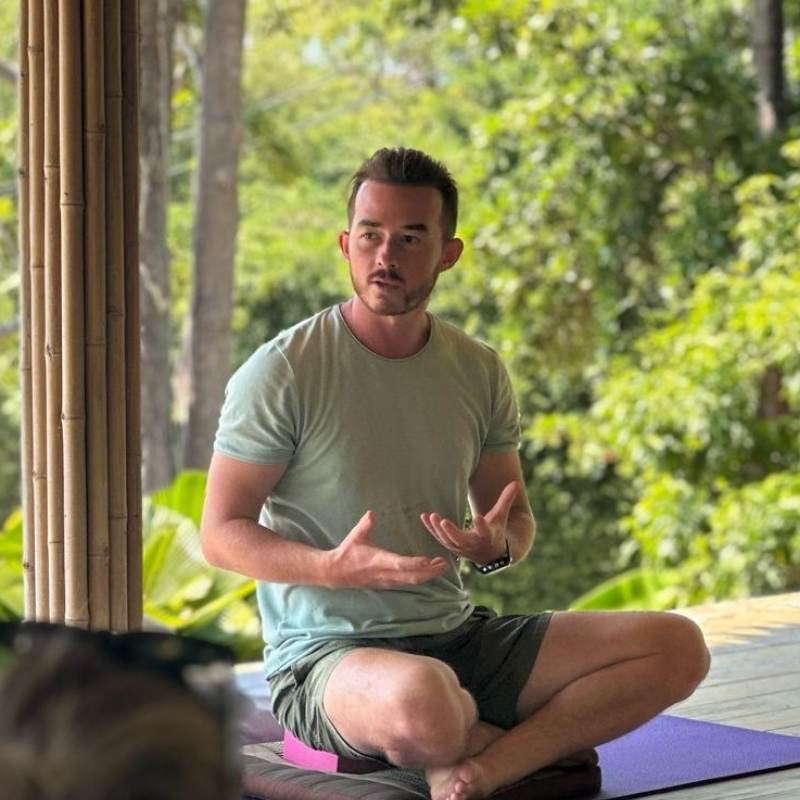
About Diego Pauel
Diego is a certified breathwork facilitator, freediving instructor, and founder of Breathflow Connection. With years of experience in nervous system regulation and somatic practices, Diego helps stressed professionals find calm through simple, science-backed techniques.
Learn More →Try Our Free Interactive Tools
Start regulating your nervous system today.
Get the free 3-minute audio guide and symptom checklist. Delivered instantly.
Get Your Free ResetContinue reading

Morning Anxiety: Why You Wake Up Anxious and How to Stop It
Learn why you wake up anxious every morning and how to stop it. The cortisol awakening response and a 6 step morning res
Read More →
Breathwork for Sleep: 5 Techniques That Work Better Than Melatonin
Five breathwork techniques for better sleep that outperform melatonin. Learn why your nervous system needs breathwork, n
Read More →
Cold Exposure and Your Nervous System: The Complete Beginner's Guide
Learn how cold exposure resets your nervous system and activates your vagus nerve. A complete beginner's guide with safe
Read More →