Stuck in Fight or Flight? Here's How to Finally Feel Safe Again

Free: 3-Minute Nervous System Reset
Get the audio guide and symptom checklist that shows you exactly how to calm your nervous system in under 3 minutes. Delivered straight to your inbox.
TL;DR
Fight or flight is your body's stress response. When you get stuck in it, your nervous system thinks you're in constant danger. You feel anxious, tense, and hypervigilant even when safe. This happens from chronic stress, trauma, or lack of recovery time. You can reset your nervous system using breathwork, vagus nerve activation, and somatic practices. Most people feel significantly better within 2 to 4 weeks of daily practice.
Your heart races for no reason. You can't relax even when you try. Everything feels threatening.
You're not broken. Your nervous system is stuck in survival mode.
The fight or flight response is supposed to be temporary. Face the danger, then return to calm. But for millions of people, the response never turns off. Your body stays in emergency mode 24/7.
Research from the American Institute of Stress (2024) shows that 77% of adults experience chronic activation of their stress response. This isn't occasional stress. This is a nervous system that can't find its way back to safety.
This guide explains exactly why you're stuck and how to get unstuck. You can feel safe again. Your nervous system just needs the right signals.
What Fight or Flight Actually Is
Fight or flight is your sympathetic nervous system in action. When your brain detects danger, it activates this survival response.
Your heart rate increases. Blood rushes to your muscles. Breathing gets faster and shallower. Digestion shuts down. Your pupils dilate. Cortisol and adrenaline flood your system.
This response is brilliant for actual emergencies. It gives you the energy and focus to escape danger or defend yourself. The problem is modern life.
Your nervous system can't tell the difference between a tiger and an angry email. Both trigger the same response. And when the emails never stop, neither does your fight or flight.
The Four Trauma Responses
Fight or flight isn't the only stress response. Your nervous system actually has four options.
Fight: You become aggressive, irritable, or confrontational. You argue, snap at people, or feel rage. This is mobilized energy moving outward.
Flight: You feel anxious, panicky, or overwhelmed. You want to escape or avoid. Your mind races. This is mobilized energy preparing to run.
Freeze: You feel stuck, numb, or paralyzed. You can't think clearly or make decisions. This is immobilization while still alert.
Fawn: You people please, over apologize, or lose your boundaries. You prioritize others' needs over your own safety. This is appeasement to avoid threat.
Most people use a combination. You might fight at work, flight in relationships, and freeze when overwhelmed. Understanding your pattern helps you address it.
Why You Get Stuck
Your fight or flight response is supposed to complete. You face the threat. You escape or fight. The danger passes. Your nervous system returns to rest.
But modern stress doesn't resolve. Work pressure is ongoing. Financial worry persists. Relationship conflict continues. Your body activates the stress response, but it never gets to complete the cycle.
Dr. Peter Levine, creator of Somatic Experiencing, explains: "Trauma is not what happens to you. It's what happens inside you when you can't complete the defensive response. The nervous system gets stuck with all that mobilized survival energy still activated."
Your system stays on high alert. It's waiting for the danger to end so it can relax. But the danger signal never stops coming.
Signs You're Stuck in Fight or Flight
Chronic fight or flight looks different than acute stress. Here's what it feels like when you're stuck.
Physical Signs
- Constant muscle tension, especially neck, shoulders, and jaw
- Racing or pounding heart even at rest
- Shallow, rapid breathing
- Digestive problems like IBS or nausea
- Frequent headaches
- Fatigue that doesn't improve with rest
- Difficulty falling or staying asleep
- Feeling hot or sweating without exertion
- Shakiness or trembling
- Chronic pain without clear medical cause
These symptoms happen because your sympathetic nervous system is always on. Your body is preparing for danger that isn't actually there.
Want a quick nervous system reset right now?
Get the free 3-minute audio guide and symptom checklist. Delivered instantly.
Mental and Emotional Signs
- Constant worry or racing thoughts
- Hypervigilance and scanning for threats
- Irritability or quick anger
- Feeling anxious without knowing why
- Difficulty concentrating or brain fog
- Sense of impending doom
- Feeling unsafe even in safe places
- Overreacting to small problems
- Unable to relax or be present
- Constantly feeling rushed or pressured
Your brain is stuck in threat detection mode. It interprets neutral situations as dangerous. Small stressors feel like emergencies.
Behavioral Signs
- Avoiding situations that should be safe
- Overworking or staying constantly busy
- Difficulty saying no or setting boundaries
- Snapping at loved ones
- Increased substance use to calm down
- Compulsive phone checking
- Can't sit still or rest
- Startle easily at sounds or movement
- Always needing to be in control
- Isolating from others
These behaviors are attempts to manage an overwhelmed nervous system. They provide temporary relief but keep you stuck long term.
A 2025 study in Psychosomatic Medicine found that people with chronic sympathetic activation show significant changes in immune function, inflammation markers, and cardiovascular health. Staying stuck isn't just uncomfortable. It's damaging to your body.
Why Traditional Stress Relief Doesn't Work
You've probably tried to fix this. Maybe you've used meditation apps. Taken baths. Told yourself to relax. And it doesn't work.
Here's why. You can't think your way out of a nervous system state. Your fight or flight response operates below conscious thought. It's a physiological state, not a mental one.
Meditation Paradox
Meditation helps many people. But when you're stuck in fight or flight, sitting still can make anxiety worse. Your body interprets stillness as freeze. This triggers more panic, not less.
You need to discharge the mobilized energy first. Then meditation works. But meditation alone won't reset a sympathetically dominant nervous system.
The Relaxation Trap
People tell you to relax. You try. It doesn't work. Then you feel like you're failing at something that should be simple.
Relaxation isn't a choice when your nervous system is dysregulated. You can't force your way into parasympathetic activation. You need specific techniques that trigger the physiological shift.
Why Cognitive Approaches Fall Short
Cognitive techniques help you change your thoughts. But your fight or flight response doesn't start with thoughts. It starts with your nervous system detecting threat, often unconsciously.
You need bottom up approaches. Techniques that work through your body to change your nervous system state. Then your thoughts follow.
This is why somatic practices work when talk therapy doesn't. You're addressing the nervous system directly.
How to Reset From Fight or Flight
You can teach your nervous system to feel safe again. Here are the most effective techniques.
Breathwork: The Fast Reset
Your breath is the bridge between conscious and unconscious control. When you change how you breathe, you change your nervous system state.
The key is slow exhales. Long, controlled exhales activate your vagus nerve. This shifts you from sympathetic to parasympathetic mode.
Try this now. Breathe in for 4 counts. Breathe out for 6 to 8 counts. Make the exhale longer than the inhale. Repeat for 5 minutes.
Research in Frontiers in Psychology (2024) shows that extended exhale breathing reduces sympathetic activation by 34% in just 10 minutes. Heart rate and blood pressure decrease measurably.
Use box breathing or 4-7-8 breathing as your daily reset practice. These techniques work immediately and build long term regulation.
Vagus Nerve Activation
Your vagus nerve is the main brake on your stress response. When it's active, fight or flight can't dominate.
Simple techniques activate it. Splash cold water on your face. This triggers the dive reflex and immediately calms your system. Hum or sing to create vibrations that stimulate the nerve. Gargle vigorously when brushing your teeth.
These vagus nerve exercises work in minutes. Cold water is especially effective for panic or acute anxiety. It interrupts the fight or flight response instantly.
Somatic Release
Fight or flight mobilizes energy in your body. If you don't discharge this energy, it stays stuck. Somatic exercises help you complete the stress response cycle.
Try shaking. Stand and gently shake your arms, legs, and whole body for 2 to 5 minutes. Let the movement be loose and uncontrolled. This mimics what animals do after escaping predators. It releases the mobilized survival energy.
Want a quick nervous system reset right now?
Get the free 3-minute audio guide and symptom checklist. Delivered instantly.
Other options include progressive muscle relaxation, gentle stretching, or simple movement like walking. The goal is to move the stuck energy through and out of your system.
Dr. Bessel van der Kolk, trauma researcher, states: "The body keeps the score. Trauma lives in the body, not just the mind. Movement based therapies help release what's stuck in the nervous system."
Grounding Techniques
Grounding brings you into the present moment and signals safety to your nervous system. When you're stuck in fight or flight, you're either reliving the past or fearing the future. Grounding anchors you to now.
Use the 5-4-3-2-1 technique. Name 5 things you can see. 4 things you can touch. 3 things you can hear. 2 things you can smell. 1 thing you can taste.
Or press your feet firmly into the floor. Notice the sensation of contact. This proprioceptive input tells your nervous system you're standing on solid ground. You're not running. You're not in danger.
Create Safety Cues
Your nervous system is constantly scanning for safety or danger. You can intentionally add safety cues to your environment.
Soft lighting instead of bright overhead lights. Gentle music or nature sounds. Comfortable textures. Photos of loved ones. Plants. These environmental cues signal to your subconscious that you're safe.
Social connection is one of the strongest safety cues. Positive interaction with safe people activates your ventral vagal system. This is the social engagement branch that counters fight or flight.
Even a brief call with a friend or hug from a partner can shift your state. Your nervous system evolved to find safety in connection.
The Timeline for Feeling Safe Again
Resetting from chronic fight or flight takes time. Your nervous system learned this pattern over months or years. It needs time to learn a new one.
Week 1: Immediate Relief
The techniques work immediately to calm acute symptoms. When you feel panic rising, breathwork or cold water brings you back down. This gives you tools for crisis moments.
You'll also start recognizing when you're in fight or flight. Awareness is the first step to change. You can't shift a state you don't notice.
Weeks 2 to 4: Pattern Interruption
With daily practice, you start interrupting the pattern before it fully activates. You catch the early signs of fight or flight and use your techniques.
Your baseline anxiety decreases slightly. You might sleep better. Physical symptoms like tension or digestive issues may improve. These are signs your nervous system is starting to regulate.
Weeks 4 to 8: Nervous System Retraining
This is where significant change happens. Your nervous system is learning that calm is safe. You spend more time in parasympathetic mode. Less time in sympathetic.
You don't get triggered as easily. When you do get stressed, you return to baseline faster. This is what nervous system resilience looks like.
Research on regulation timelines shows most people see major improvement by week 6 to 8 with consistent daily practice.
Weeks 8 to 12: New Default State
Calm becomes your new baseline. You still experience stress, but fight or flight is the exception instead of the rule. Your body knows how to return to safety.
Physical symptoms often resolve. Sleep normalizes. Anxiety decreases significantly. You feel more like yourself again.
A 2024 longitudinal study followed people practicing daily nervous system regulation for 12 weeks. By the end, 78% reported significant reduction in chronic stress symptoms. HRV measurements showed measurable improvement in nervous system flexibility.
Building Your Daily Practice
Consistency creates change. Here's how to build a practice that retrains your nervous system.
Morning Reset
Start your day by setting your nervous system baseline. Before checking your phone, practice 5 minutes of slow breathing. Or splash cold water on your face and do 2 minutes of humming.
This tells your nervous system to start from calm instead of stress. You'll handle the day's stressors better when you begin from a regulated state.
Midday Check In
Set a reminder for midday. Pause and notice your state. Are you holding tension? Is your breathing shallow? Use a quick technique to reset.
This prevents stress accumulation. You're not waiting until you're overwhelmed. You're maintaining regulation throughout the day.
Evening Wind Down
Transition out of your day intentionally. When you get home, take 5 minutes before greeting your family. Practice breathwork in your car. Or change clothes and do gentle stretching.
This creates a boundary between work stress and home life. Your nervous system shifts from doing mode to being mode.
Before Bed
If you struggle with the tired but wired pattern, evening nervous system work is critical. Practice slow breathing or do progressive muscle relaxation in bed.
This signals to your body that it's safe to sleep. You're turning off the vigilance that keeps you awake.
When to Seek Professional Support
These techniques help most people. But sometimes you need additional support.
Consider working with a trauma informed therapist if you've experienced significant trauma, if symptoms are severe, or if self practice isn't producing change after 4 to 6 weeks.
Modalities that specifically address nervous system dysregulation include Somatic Experiencing, EMDR, Sensorimotor Psychotherapy, and Polyvagal informed therapy.
There's no shame in getting help. Chronic fight or flight is a serious condition. Professional support can accelerate your healing significantly.
Your Next Step: The 3 Minute Reset
You just learned why you're stuck and how to get unstuck. Now you need a simple practice to start with.
Our free 3 Minute Reset guide gives you the fastest technique to shift out of fight or flight. It combines breathwork with vagus nerve activation for immediate relief.
The guide includes:
- Exact 3 minute protocol for acute anxiety
- How to use it during panic attacks
- Daily practice schedule to retrain your system
- Audio guide to follow along
- When to add other techniques
Download the free 3 Minute Reset guide here and start feeling safe again today.
You don't have to live in fight or flight. Your nervous system wants to return to balance. Give it the tools it needs. Safety is possible. Start now.
Frequently Asked Questions
How do you know if you're stuck in fight or flight?
You experience constant physical tension, racing heart, and hypervigilance. You startle easily at small sounds. Sleep is difficult even when exhausted. You feel anxious without a clear reason. Digestion is off. You can't relax even when you try. These symptoms persist even when there's no actual threat. Your nervous system is treating everything as danger.
What causes you to get stuck in fight or flight mode?
Chronic stress is the main cause. When stress never stops, your nervous system never gets the signal that the threat is over. Past trauma also keeps your system on high alert. Lack of safety cues in your environment contributes. Poor sleep, constant digital stimulation, and no recovery time all prevent your nervous system from returning to rest mode.
How long can you stay in fight or flight mode?
Without intervention, you can stay stuck for months or years. Many people live in chronic fight or flight for so long they think it's normal. This causes serious health consequences including cardiovascular problems, digestive issues, and mental health decline. With proper nervous system regulation techniques, you can exit fight or flight within 2 to 4 weeks.
Can your body get stuck in fight or flight?
Yes. Your nervous system can get locked in sympathetic activation. This happens when your body perceives ongoing threat, even if the threat is gone. Your stress response stays turned on. The parasympathetic brake stops working effectively. This is called nervous system dysregulation. It's reversible with consistent regulation practices.
How do I reset my nervous system from fight or flight?
Use techniques that signal safety to your body. Slow breathing activates your parasympathetic system. Cold water exposure triggers an immediate calm response. Vagus nerve exercises like humming turn on your rest mode. Somatic practices release stored tension. Practice these daily for 2 to 4 weeks to retrain your nervous system.
What does being stuck in sympathetic feel like?
You feel wired and on edge constantly. Your body is tense. Your mind races. Small things trigger big reactions. You can't sit still or truly relax. Sleep is difficult because you can't turn off. You might feel irritable, anxious, or angry for no clear reason. Everything feels urgent and overwhelming.
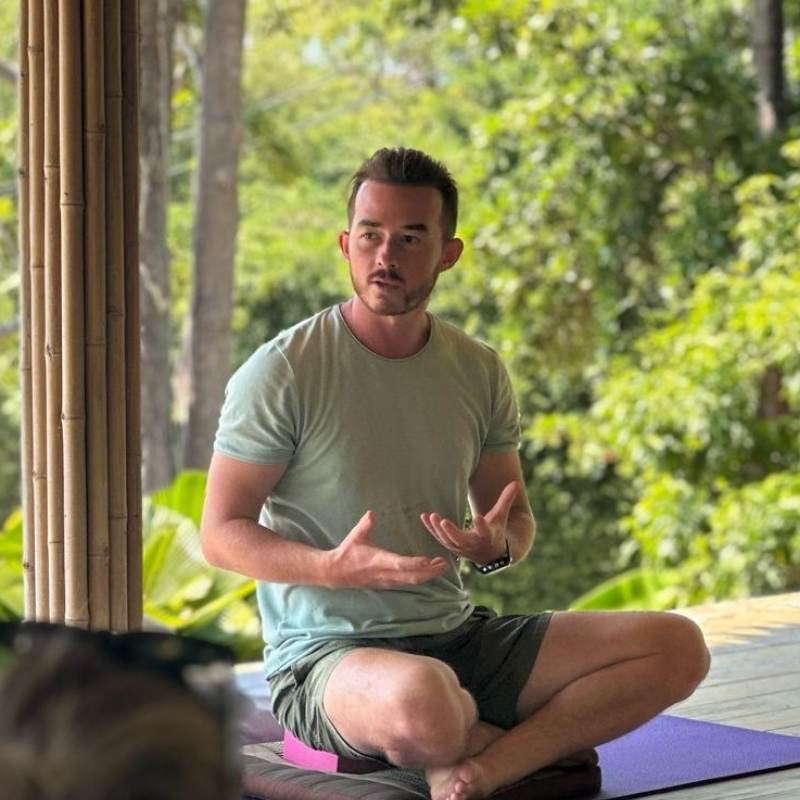
About Diego Pauel
Diego is a certified breathwork facilitator, freediving instructor, and founder of Breathflow Connection. With years of experience in nervous system regulation and somatic practices, Diego helps stressed professionals find calm through simple, science-backed techniques.
Learn More →Try Our Free Interactive Tools
Start regulating your nervous system today.
Get the free 3-minute audio guide and symptom checklist. Delivered instantly.
Get Your Free ResetContinue reading

The 4 Trauma Responses Explained: Fight, Flight, Freeze, and Fawn
Learn the 4 trauma responses: fight, flight, freeze, and fawn. Discover your dominant pattern and practices to regulate
Read More →
Vagus Nerve Exercises for Anxiety: 10 Beginner Friendly Techniques
Learn 10 simple vagus nerve exercises that reduce anxiety fast. Beginner friendly techniques you can do anywhere. Scienc
Read More →
How to Stop a Panic Attack Fast: 7 Techniques That Work in Under 5 Minutes
Learn how to stop a panic attack fast with 7 proven techniques that work in under 5 minutes. Backed by research from Sta
Read More →