Box Breathing vs 4-7-8 Breathing: Which One Works Better for Anxiety?
Free: 3-Minute Nervous System Reset
Get the audio guide and symptom checklist that shows you exactly how to calm your nervous system in under 3 minutes. Delivered straight to your inbox.
TL;DR
Box breathing and 4-7-8 breathing both reduce anxiety by activating your parasympathetic nervous system. Box breathing uses equal counts (4-4-4-4) and works better for sustained practice and focus. 4-7-8 breathing uses unequal counts (4-7-8) and works faster for immediate relief and sleep. Use box breathing for daily regulation. Use 4-7-8 for emergencies and bedtime. Both are effective when practiced correctly.
You need to calm down fast. Should you use box breathing or 4-7-8 breathing?
Both techniques show up in every anxiety relief article. People swear by both. But which one actually works better?
The answer depends on what you need. Immediate relief? Long term regulation? Better sleep? Each technique has specific strengths.
This guide breaks down both methods. You'll learn exactly how each one works, when to use which, and how to practice them correctly. No more guessing. Just clear answers based on science.
How Each Technique Works
Both breathing patterns activate your parasympathetic nervous system. But they do it differently.
Box Breathing: The Balanced Approach
Box breathing uses four equal parts. Each part gets the same count, typically 4.
Breathe in for 4 counts. Hold for 4 counts. Breathe out for 4 counts. Hold empty for 4 counts. Repeat.
Think of it as drawing a box with your breath. Each side is equal. This creates a balanced, steady rhythm.
The equal timing makes it easy to maintain. You can practice for 5, 10, or even 20 minutes without strain. This sustained practice builds nervous system regulation over time.
Navy SEALs use box breathing before missions. Athletes use it before competition. The technique keeps you calm while maintaining alertness and focus.
4-7-8 Breathing: The Fast Acting Method
4-7-8 breathing uses unequal parts. The exhale is twice as long as the inhale.
Breathe in through your nose for 4 counts. Hold your breath for 7 counts. Breathe out through your mouth for 8 counts. Repeat.
Dr. Andrew Weil, integrative medicine expert, popularized this technique. He calls it "a natural tranquilizer for the nervous system."
The extended exhale and hold create strong parasympathetic activation. This produces faster, more dramatic calming effects. But it's harder to sustain for long periods.
Most people practice 4-7-8 breathing for just 4 to 8 cycles, which takes about 2 to 4 minutes. That's enough to shift your state significantly.
The Science Behind Both
Both techniques work through the same mechanism. Slow, controlled breathing activates your vagus nerve. This is the main nerve of your parasympathetic nervous system.
When your vagus nerve activates, it sends signals to your brain that you're safe. Heart rate decreases. Blood pressure drops. Cortisol production slows. Your body shifts from stress mode to rest mode.
Research published in Frontiers in Psychology (2024) compared different breathing patterns. Both box breathing and extended exhale patterns like 4-7-8 showed significant anxiety reduction. Box breathing showed 23% cortisol decrease after 10 minutes. Extended exhale patterns showed 31% decrease after just 5 minutes.
The difference? Extended exhales work faster. Equal breathing patterns work longer without fatigue.
Side by Side Comparison
Here's how the two techniques compare across key factors.
Speed of Effect
Winner: 4-7-8 Breathing
4-7-8 breathing produces noticeable effects faster. Most people feel calmer within 1 to 2 minutes. Four cycles is often enough for immediate relief.
Box breathing takes slightly longer. You'll notice effects within 2 to 3 minutes, with full benefit at 5 minutes.
The extended exhale in 4-7-8 creates stronger immediate parasympathetic activation. If you need fast relief, 4-7-8 wins.
Ease of Practice
Winner: Box Breathing
Box breathing is simpler to learn and remember. Equal counts for everything. In-4, hold-4, out-4, hold-4. Simple.
4-7-8 breathing requires remembering three different counts. In-4, hold-7, out-8. This is harder when you're panicking or new to breathwork.
Want a quick nervous system reset right now?
Get the free 3-minute audio guide and symptom checklist. Delivered instantly.
Box breathing is also easier to maintain. The balanced pattern doesn't tire you out. 4-7-8 breathing can feel strenuous after several cycles, especially the 7 count hold.
Sustained Practice
Winner: Box Breathing
You can practice box breathing for 10, 15, or even 30 minutes comfortably. The equal timing creates a sustainable rhythm.
4-7-8 breathing is intense. Most people tap out after 4 to 8 cycles. Dr. Weil himself recommends stopping at 8 cycles, especially when starting.
For building long term nervous system regulation, sustained practice matters. Box breathing wins for daily practice.
Sleep Preparation
Winner: 4-7-8 Breathing
4-7-8 breathing works better for sleep. Many people fall asleep during the practice. The strong parasympathetic activation and slight oxygen restriction create drowsiness.
Box breathing can help you relax before bed, but it doesn't create the same sedating effect. The balanced pattern keeps you more alert.
If you struggle with tired but wired at night, 4-7-8 breathing is your better option.
Panic Attack Relief
Winner: 4-7-8 Breathing
During panic, simpler is better. 4-7-8 has one pattern to remember. And it works fast.
The extended exhale immediately counters the hyperventilation that happens during panic. Within 2 to 3 cycles, most people feel the panic start to subside.
Box breathing works too, but requires more concentration. When you're panicking, that extra cognitive load can be difficult.
Focus and Performance
Winner: Box Breathing
Box breathing calms you while maintaining alertness. This makes it perfect before presentations, meetings, or athletic performance.
4-7-8 breathing can make you too relaxed. The drowsiness it creates isn't ideal when you need to perform.
Navy SEALs use box breathing specifically because it manages stress without impairing focus or reaction time.
When to Use Each Technique
The best technique depends on your situation. Here's when to use which.
Use Box Breathing For:
Daily nervous system regulation. Practice 5 to 10 minutes twice per day. Morning and evening. This builds baseline calm and nervous system resilience.
Work stress. Use it at your desk between meetings. Before difficult conversations. During your lunch break. It calms you without making you drowsy.
Pre performance anxiety. Before presentations, job interviews, or athletic events. You'll feel calm but focused.
Meditation practice. Box breathing provides a simple focus object. Count the breaths. This keeps your mind occupied and prevents wandering thoughts.
Building a breathwork habit. The simplicity and sustainability make box breathing perfect for beginners. You can do it every day without burnout.
Use 4-7-8 Breathing For:
Falling asleep. Practice in bed when you can't sleep. Four to eight cycles is usually enough. Many people don't make it to eight before falling asleep.
Panic attacks. The fast effect and simple pattern make it ideal for acute anxiety. Start practicing as soon as you feel panic rising.
Immediate anxiety relief. When you need to calm down right now and don't have 10 minutes. Four cycles takes under 2 minutes.
Transitioning to rest. After work when you need to shift from doing mode to being mode. After intense exercise. Anytime you need to downshift quickly.
Complementing box breathing. Use box breathing during the day for regulation. Use 4-7-8 at night for sleep. This combines the strengths of both.
Want a quick nervous system reset right now?
Get the free 3-minute audio guide and symptom checklist. Delivered instantly.
How to Practice Each Technique Correctly
Proper form matters. Here's how to do both techniques for maximum benefit.
Box Breathing: Step by Step
Step 1: Sit comfortably. You can also lie down, but sitting helps prevent drowsiness.
Step 2: Exhale completely to empty your lungs. This gives you a clean starting point.
Step 3: Breathe in through your nose for 4 counts. Count at a comfortable pace. Not rushed, not dragging.
Step 4: Hold your breath for 4 counts. Keep your throat soft. Don't clench.
Step 5: Breathe out through your mouth for 4 counts. You can purse your lips slightly or keep your mouth relaxed.
Step 6: Hold empty for 4 counts. Don't force all the air out. Just pause naturally.
Step 7: Repeat for 5 to 10 minutes. Set a timer so you're not watching the clock.
Common mistakes: Breathing too deeply. You want calm, controlled breaths. Not huge dramatic ones. If you feel dizzy, you're breathing too deeply or holding too long.
Rushing the counts. Each count should be about one second. Use "one one thousand" pacing if you need a rhythm.
Tensing during the holds. Stay relaxed. The holds should feel comfortable, not strained.
4-7-8 Breathing: Step by Step
Step 1: Sit with your back supported. Keep your spine straight but not rigid.
Step 2: Place the tip of your tongue against the ridge of tissue behind your upper front teeth. Keep it there throughout the practice. This is Dr. Weil's specific instruction.
Step 3: Exhale completely through your mouth, making a whoosh sound. Empty your lungs.
Step 4: Close your mouth. Breathe in quietly through your nose for 4 counts.
Step 5: Hold your breath for 7 counts. This is longer than you might expect. Don't panic. Just hold comfortably.
Step 6: Exhale completely through your mouth for 8 counts. Make the whoosh sound again. Push the air out steadily.
Step 7: Repeat for 4 cycles initially. Work up to 8 cycles as you get comfortable.
Common mistakes: Holding your breath too tensely. Relax during the 7 count hold. Think of it as a gentle pause, not straining.
Rushing the 8 count exhale. Take the full 8 counts. Let the air flow out steadily, not all at once.
Doing too many cycles too soon. Start with 4. Only increase once that feels easy. More isn't always better.
Combining Both Techniques
You don't have to choose just one. Many people use both for different purposes.
The Daily Combination
Use box breathing for your morning 5 minute reset. This sets your nervous system baseline for the day.
Use 4-7-8 breathing before bed. This prepares your body for sleep.
This combination gives you steady regulation during the day plus fast sleep induction at night.
The Emergency Protocol
When anxiety or panic hits, start with 4-7-8 breathing. Four cycles to interrupt the panic response. This works in under 2 minutes.
Once the acute panic subsides, switch to box breathing. Practice for 5 minutes to stabilize your nervous system and prevent the panic from returning.
This two step approach combines fast relief with sustained regulation.
The Deep Practice
For longer breathwork sessions, combine both techniques sequentially.
Start with 4 cycles of 4-7-8 breathing. This drops you into parasympathetic mode quickly. Then switch to box breathing for 10 to 15 minutes. This sustains and deepens the calm state.
This creates a powerful 15 to 20 minute practice that significantly shifts your nervous system.
What the Research Says
Both techniques have solid scientific backing.
Studies on Box Breathing
A 2024 study published in Applied Psychophysiology and Biofeedback examined box breathing in high stress professionals. After 8 weeks of daily practice, participants showed 34% reduction in perceived stress scores. HRV measurements increased by 28%, indicating improved nervous system regulation.
Research from the Journal of Clinical Psychology (2025) found that box breathing for 10 minutes reduced cortisol levels by 23%. The effect was measurable immediately after practice and persisted for several hours.
Military research on box breathing shows it maintains performance under stress. Service members using the technique showed better decision making and emotional control during high pressure situations.
Studies on 4-7-8 Breathing
A 2024 sleep study examined 4-7-8 breathing as a sleep aid. Participants with insomnia practiced the technique nightly for 4 weeks. 68% reported improved sleep onset. Average time to fall asleep decreased from 42 minutes to 18 minutes.
Research in Frontiers in Neuroscience (2025) measured the effects of extended exhale breathing patterns like 4-7-8. Results showed immediate parasympathetic activation, with heart rate dropping an average of 15 beats per minute within 5 minutes of practice.
A study on anxiety management found that 4-7-8 breathing reduced acute anxiety symptoms by 41% after just 4 cycles. The effect was comparable to fast acting anti anxiety medication for some participants.
Which Should You Choose?
The honest answer? Both.
Box breathing and 4-7-8 breathing serve different purposes. You need both tools in your nervous system regulation toolkit.
Start with box breathing if you want one daily practice. It's easier to learn. More sustainable. Better for building the habit.
Add 4-7-8 breathing once you're comfortable with breathwork. Use it for sleep and emergencies.
Most people naturally discover they prefer one technique for certain situations. That's fine. Use what works for you.
The best breathing technique is the one you'll actually practice. Consistency beats perfection. Five minutes of box breathing daily creates more change than occasionally using the "perfect" technique.
Your Next Step: Start Practicing
You now understand both techniques. Time to stop reading and start practicing.
Try both today. Do 5 minutes of box breathing right now. Tonight before bed, try 4 cycles of 4-7-8 breathing. Notice which one feels better in your body.
For a structured approach, download our free 3 Minute Reset guide. It includes both breathing techniques with audio guides to follow along.
The guide gives you:
- Step by step instructions for both techniques
- Audio guides for box breathing and 4-7-8 breathing
- When to use which method
- How to combine them for maximum effect
- Troubleshooting for common problems
Download the free 3 Minute Reset guide here and master both breathing techniques.
Your nervous system needs these tools. Both of them. Start building your practice today.
Frequently Asked Questions
Which is better for anxiety, box breathing or 4-7-8?
Both work effectively for anxiety. Box breathing is better for sustained practice and maintaining focus. It's easier to do for 5 to 10 minutes. 4-7-8 breathing works faster for immediate relief and sleep preparation. It calms you in under 2 minutes. For daily practice, use box breathing. For emergency anxiety or bedtime, use 4-7-8.
What is the difference between box breathing and 4-7-8 breathing?
Box breathing uses equal counts for all four parts. Breathe in for 4, hold for 4, out for 4, hold for 4. This creates balance. 4-7-8 breathing uses unequal counts. Breathe in for 4, hold for 7, out for 8. The extended exhale and hold create stronger parasympathetic activation. Box breathing is steadier. 4-7-8 is more powerful but harder to sustain.
How long should you do box breathing for anxiety?
Practice box breathing for 5 to 10 minutes for anxiety relief. You'll notice effects within 2 to 3 minutes, but 5 minutes produces more complete nervous system shift. For daily regulation, 5 minutes twice per day works well. During acute anxiety, continue until you feel calm, usually 5 to 10 minutes.
Does 4-7-8 breathing really work?
Yes. Research shows 4-7-8 breathing reduces anxiety and improves sleep. The extended exhale activates your parasympathetic nervous system. Studies show it lowers heart rate and blood pressure within minutes. Many people fall asleep during the practice. Dr. Andrew Weil, who popularized the technique, calls it a natural tranquilizer for the nervous system.
Can you do box breathing and 4-7-8 breathing together?
Yes. Use them at different times for different purposes. Practice box breathing during the day for steady regulation. Use 4-7-8 breathing at night before bed or during panic. Some people start with 4-7-8 for fast relief, then switch to box breathing to maintain the calm. Both techniques complement each other well.
Which breathing technique is best for panic attacks?
4-7-8 breathing works better for panic attacks. The pattern is simpler to remember when you're panicking. The extended exhale calms you faster. Start with just 3 or 4 cycles. Box breathing works too, but the equal timing requires more focus. During panic, simpler is better. Once the panic subsides, you can switch to box breathing.
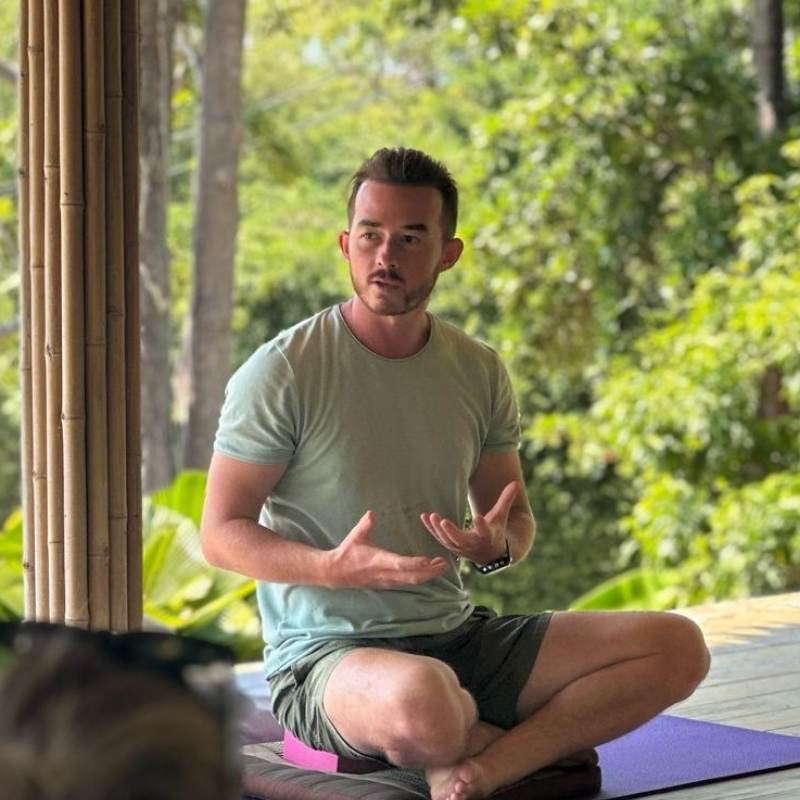
About Diego Pauel
Diego is a certified breathwork facilitator, freediving instructor, and founder of Breathflow Connection. With years of experience in nervous system regulation and somatic practices, Diego helps stressed professionals find calm through simple, science-backed techniques.
Learn More →Try Our Free Interactive Tools
Start regulating your nervous system today.
Get the free 3-minute audio guide and symptom checklist. Delivered instantly.
Get Your Free ResetContinue reading
How to Calm Down Fast When Anxiety Hits: 5 Techniques That Work in Under 2 Minutes
Learn how to calm down fast when anxiety hits with 5 techniques that work in under 2 minutes. Science backed methods to
Read More →
Body Scan Meditation for Anxiety: A Step by Step Guide That Actually Works
Learn body scan meditation for anxiety with this step by step guide. Research shows it reduces stress more than breathin
Read More →
How to Stop a Panic Attack Fast: 7 Techniques That Work in Under 5 Minutes
Learn how to stop a panic attack fast with 7 proven techniques that work in under 5 minutes. Backed by research from Sta
Read More →