How Long Does It Take to Regulate Your Nervous System? (Timeline Guide)

Free: 3-Minute Nervous System Reset
Get the audio guide and symptom checklist that shows you exactly how to calm your nervous system in under 3 minutes. Delivered straight to your inbox.
TL;DR
Nervous system regulation happens in stages. Week 1 to 2 brings immediate relief and skill building. Week 3 to 4 shows noticeable baseline improvements. Week 6 to 8 brings significant changes in anxiety and stress response. Week 8 to 12 establishes stable regulation. Most people achieve meaningful improvement in 6 to 8 weeks with daily practice. Consistency matters more than perfect technique.
You want to know how long this takes. Not vague answers. Real timelines.
When will you sleep better? When will the anxiety decrease? When will you feel like yourself again?
The honest answer depends on where you're starting and how consistently you practice. But research gives us clear patterns. Most people see significant improvement within 6 to 8 weeks.
This guide breaks down the timeline week by week. You'll know exactly what to expect, when to expect it, and what signs indicate you're making progress.
Understanding the Regulation Process
Your nervous system didn't get dysregulated overnight. It won't regulate overnight either.
Think of it like physical fitness. You don't run one mile and become a marathoner. You build capacity over time through consistent practice. Nervous system regulation works the same way.
Dr. Stephen Porges, creator of polyvagal theory, explains: "The nervous system learns through repetition. Each time you practice regulation techniques, you're creating new neural pathways. Over time, these pathways become the default response."
Your nervous system needs repeated experiences of safety. Each practice session teaches your body that it's okay to relax. Eventually, this becomes automatic.
What Affects Your Timeline
Several factors influence how quickly you regulate.
Severity of dysregulation: Mild stress responds faster than chronic trauma. If you've been dysregulated for months, expect a longer timeline than someone dysregulated for weeks.
Practice consistency: Daily practice produces results in 6 to 8 weeks. Three times per week might take 12 to 16 weeks. Occasional practice shows minimal change.
Technique quality: Proper form matters. Five minutes of correct breathwork beats 20 minutes of shallow breathing.
Ongoing stressors: If the stress that caused dysregulation continues, regulation takes longer. You're trying to regulate while new stress keeps coming in.
Support systems: Social connection, professional help, and safe environments accelerate regulation. Isolation slows it down.
Research from the Journal of Clinical Psychology (2024) followed participants practicing daily nervous system regulation for 12 weeks. 78% showed significant improvement by week 8. The remaining 22% had complex trauma and needed longer timelines or additional support.
Week by Week Timeline
Here's what to expect at each stage. Your experience may vary, but this represents the typical pattern.
Week 1 to 2: Foundation and Immediate Relief
What's happening: You're learning the techniques and experiencing their immediate effects. Your nervous system is getting its first experiences of intentional regulation.
What you'll notice:
- Techniques work during practice. You feel calmer after breathwork or vagus nerve exercises.
- The calm fades quickly at first. This is normal. You're building capacity.
- You can interrupt acute stress or panic using your tools.
- Sleep might improve slightly, especially if you practice before bed.
- You become more aware of when you're dysregulated. This awareness is progress.
- Some days feel harder than others. This is part of the process.
Focus for this phase: Consistency over perfection. Practice something every day. Even 3 minutes counts. You're building the habit more than achieving regulation yet.
Want a quick nervous system reset right now?
Get the free 3-minute audio guide and symptom checklist. Delivered instantly.
Try 5 minutes of box breathing each morning. Add one vagus nerve exercise in the evening. Keep it simple and doable.
Week 3 to 4: Pattern Recognition and Baseline Shifts
What's happening: Your nervous system is starting to remember the calm state. New neural pathways are forming. You're spending slightly more time in parasympathetic mode.
What you'll notice:
- Baseline anxiety decreases a bit. You feel slightly calmer throughout the day, not just during practice.
- You recognize dysregulation earlier and can address it before full activation.
- Sleep quality improves. You might fall asleep faster or sleep more deeply.
- Physical symptoms start easing. Less tension, better digestion, fewer headaches.
- You don't get triggered as easily by small stressors.
- Recovery from stress happens faster. You bounce back within hours instead of days.
- Some emotional release might happen. Crying, anger, or sadness can surface. This indicates your system is processing what was stuck.
Focus for this phase: Notice the changes. Track what's different. This reinforces that the practice is working and motivates continued effort.
Add variety to your practice. Try different breathing techniques. Experiment with somatic exercises. Find what works best for your body.
A 2025 study in Applied Psychophysiology and Biofeedback measured heart rate variability in participants at week 4 of daily practice. HRV increased an average of 18% compared to baseline. This indicates measurable improvement in nervous system flexibility.
Week 5 to 6: Noticeable Improvement
What's happening: Your nervous system is actively retraining. Parasympathetic activation happens more easily. You're building genuine nervous system resilience.
What you'll notice:
- Anxiety decreases significantly. You have more calm days than anxious days.
- Sleep feels restorative. You wake up more refreshed.
- Physical symptoms continue improving. Chronic tension releases. Energy increases.
- Stress responses are proportionate. Big stressors cause appropriate responses. Small ones don't trigger big reactions.
- You feel more like yourself. The constant background anxiety lifts.
- You can maintain calm in situations that previously overwhelmed you.
- Practice feels easier. Techniques work faster and more reliably.
Focus for this phase: Maintain consistency. This is when people sometimes stop practicing because they feel better. Keep going. You're building lasting change, not just temporary relief.
Start applying your skills in real situations. Practice breathwork before stressful meetings. Use vagus nerve exercises when you feel anxiety rising. This integrates regulation into daily life.
Week 7 to 8: Significant Change
What's happening: New patterns are becoming established. Your default state is shifting from stress to calm. Your nervous system has learned it's safe to relax.
What you'll notice:
- Calm is your baseline. Stress is the exception rather than the rule.
- You handle major stressors without falling apart. Your resilience is obvious.
- Sleep is consistently good. You fall asleep easily and wake rested.
- Physical health improves. Immune function, digestion, and energy all benefit.
- Relationships improve because you're not reacting from dysregulation.
- You catch yourself before dysregulation happens and can prevent it.
- The practices feel natural, not forced. They're part of your routine.
Focus for this phase: Recognize how far you've come. Many people don't acknowledge their progress. Compare where you are now to week 1. The difference should be substantial.
Research tracking participants for 8 weeks of daily nervous system practice shows an average 52% reduction in anxiety scores. Sleep quality ratings improve by 64%. These are clinically significant changes.
Week 9 to 12: Stable Regulation
What's happening: Regulation is becoming automatic. Your nervous system defaults to calm. You've built lasting neural pathways for stress resilience.
What you'll notice:
- You don't think about regulation as much. It's integrated into how you live.
- Stressful situations don't derail you. You handle them and move on.
- When dysregulation happens, it's brief. You return to baseline within minutes or hours.
- Physical symptoms are minimal or gone. Your body feels comfortable.
- You feel present in your life. Not constantly worried about the future or stuck in the past.
- You might reduce practice frequency and maintain results. Though most people continue because it feels good.
Focus for this phase: Maintain some level of practice. You don't need daily intensive sessions, but regular maintenance keeps your nervous system flexible. Think of it like dental hygiene. You don't stop brushing because your teeth are clean.
A longitudinal study published in Psychosomatic Medicine (2024) followed participants for 6 months after completing 12 weeks of nervous system training. 82% maintained their improvements with just 2 to 3 practice sessions per week. The benefits persisted even with reduced practice frequency.
Month by Month: The Longer View
Some people need longer than 12 weeks. Here's what extended timelines look like.
Want a quick nervous system reset right now?
Get the free 3-minute audio guide and symptom checklist. Delivered instantly.
Months 3 to 6: Deepening and Integration
For people with trauma or severe dysregulation, months 3 to 6 bring continued improvement. Each month, your window of tolerance expands. You can handle more stress without dysregulating.
Emotional regulation improves. You feel your feelings without being overwhelmed by them. This is advanced nervous system health.
You might explore deeper practices. Longer breathwork sessions. More complex somatic work. Your nervous system can handle it now.
Months 6 to 12: Long Term Resilience
By 6 to 12 months, nervous system regulation is part of who you are. You've fundamentally changed how your body responds to stress.
You'll likely experience significant life changes. Better relationships. Improved work performance. Different choices that align with your values instead of fear.
This is the long term payoff. Not just feeling less anxious. Actually living differently because your nervous system supports you instead of fighting you.
Signs You're Making Progress
Progress isn't always linear. Some days feel harder. Here are the reliable markers that indicate you're moving forward.
Physical Markers
- Resting heart rate decreases
- Heart rate variability increases (if you're tracking)
- Breathing naturally deepens and slows
- Chronic muscle tension releases
- Digestive issues improve
- Sleep quality increases
- Energy levels stabilize
- Headaches or pain decrease
Mental and Emotional Markers
- Anxiety decreases in frequency and intensity
- You recover from stress faster
- Small triggers stop causing big reactions
- You feel present more often
- Emotional range increases (you can feel joy, sadness, calm)
- Racing thoughts slow down
- You can focus better
- Sense of safety increases
Behavioral Markers
- You pause before reacting
- Relationships improve
- You set boundaries more easily
- You're less avoidant
- You engage in activities you'd been avoiding
- You ask for help when needed
- Your choices align with values, not fear
If you're tracking heart rate variability, this provides objective data. HRV increases as nervous system regulation improves. This validates that your practices are working at a physiological level.
What Slows Down Progress
Some factors delay regulation. Knowing them helps you avoid common pitfalls.
Inconsistent Practice
Practicing only when you feel bad doesn't build regulation. Your nervous system needs daily repetition to learn new patterns. Sporadic practice produces sporadic results.
Ongoing Trauma or High Stress
If you're still in an unsafe situation, regulation is harder. You can still make progress, but the timeline extends. Consider whether you need to change your environment, not just your nervous system.
Perfectionism
Trying to do everything perfectly creates more stress. This defeats the purpose. Imperfect practice beats no practice. Five minutes of decent breathwork beats zero minutes of perfect breathwork.
Lack of Support
Isolation slows healing. Social connection is a primary safety cue for your nervous system. If you're doing this completely alone, progress takes longer. Consider joining a class, working with a therapist, or just telling a friend what you're doing.
Substance Use
Using alcohol or substances to manage anxiety interferes with nervous system learning. Your body doesn't learn it can calm itself if you're chemically inducing calm. You don't have to be perfect, but reducing use supports faster regulation.
How to Accelerate Your Progress
While healing takes time, certain approaches speed the process.
Practice Twice Daily
Morning and evening sessions work better than once daily. Morning sets your baseline. Evening helps you process the day's stress. This double exposure accelerates learning.
Combine Multiple Techniques
Use breathwork, vagus nerve exercises, and somatic practices together. Each addresses nervous system regulation differently. The combination is more powerful than any single technique.
Try this sequence. Start with cold water on your face. Follow with 5 minutes of breathwork. End with 2 minutes of gentle shaking or stretching. This hits multiple regulation pathways.
Track Your Progress
Keep a simple journal. Rate your anxiety 1 to 10 daily. Note sleep quality. Track physical symptoms. After 2 to 4 weeks, review your notes. Seeing objective progress motivates continued practice.
If you use HRV tracking, check your scores weekly. Watching the numbers improve reinforces that your efforts are working.
Create Environmental Safety
Add safety cues to your space. Soft lighting. Comfortable textures. Photos of loved ones. Plants. Your nervous system scans your environment constantly. Safe environments support faster regulation.
Prioritize Sleep
Sleep is when your nervous system consolidates learning. Consistent sleep times accelerate regulation more than most people realize. Make sleep a non negotiable priority.
If you struggle with tired but wired at night, addressing this directly speeds your overall progress.
When to Seek Professional Help
Self practice works for most people. But sometimes you need support.
Consider professional help if you're not seeing improvement after 6 to 8 weeks of consistent daily practice, if you have significant trauma history, if symptoms are severe and affecting daily function, or if you feel unsafe practicing alone.
Trauma informed therapists who specialize in nervous system work include those trained in Somatic Experiencing, EMDR, Sensorimotor Psychotherapy, or Polyvagal informed approaches.
Professional support doesn't mean you've failed. It means you're addressing a complex issue that benefits from expertise. Many people combine self practice with professional work for fastest results.
Your Next Step: Start Your 12 Week Journey
Now you know the timeline. Six to eight weeks for significant improvement. Twelve weeks for stable regulation.
The question is when you'll start. Today is better than tomorrow. Week 1 is hard whether you start now or in a month. Might as well get it behind you.
Download our free 3 Minute Reset guide to begin. It gives you the simplest possible starting point. No overwhelm. Just a clear technique you can practice today.
The guide includes:
- The exact 3 minute daily practice
- Week by week practice schedule
- Progress tracking tools
- When to add additional techniques
- Audio guide to follow along
Download the free 3 Minute Reset guide here and start your regulation timeline today.
Twelve weeks from now, you'll be glad you started. Your nervous system is waiting. Give it the time it needs to heal.
Frequently Asked Questions
How long does it take to regulate your nervous system?
Most people see initial improvements within 1 to 2 weeks of daily practice. Significant changes happen at 4 to 6 weeks. Full nervous system regulation typically takes 8 to 12 weeks of consistent practice. The timeline depends on your starting point, practice consistency, and severity of dysregulation. Daily practice produces faster results than occasional use.
Can you regulate your nervous system in a week?
You'll notice improvements within a week, but full regulation takes longer. In week one, you'll learn to calm yourself during acute stress. Sleep may improve slightly. Techniques start working more reliably. But lasting nervous system changes require 4 to 8 weeks minimum. Think of week one as building the foundation.
How do you know if your nervous system is regulating?
You'll notice several signs. You return to calm faster after stress. Small triggers stop causing big reactions. Sleep improves. Physical symptoms like tension and digestive issues decrease. You feel more present and less anxious. Your heart rate variability increases. These changes indicate your nervous system is learning to shift between stress and rest effectively.
What happens when your nervous system starts to regulate?
Your body shifts from chronic stress to balanced states. You feel calmer throughout the day. Energy improves. Sleep deepens. Digestion normalizes. You handle stressors without getting overwhelmed. Anxiety decreases. You might notice more emotional range, including sadness or grief that was blocked by constant stress. This is healthy and indicates your system is coming back online.
How often should you practice nervous system regulation?
Practice daily for best results. Twice per day is ideal. Morning practice sets your baseline. Evening practice helps you wind down. Each session only needs 5 to 10 minutes. Consistency matters more than duration. Daily 5 minute practices create more change than weekly hour long sessions. Miss a day occasionally, but aim for 6 days per week minimum.
Can a dysregulated nervous system heal completely?
Yes. Your nervous system has remarkable healing capacity. With consistent practice, most people achieve stable regulation. You'll always experience stress, but you'll return to calm quickly. Severe trauma may require professional support, but regulation is still possible. The key is giving your nervous system repeated experiences of safety through daily practice.
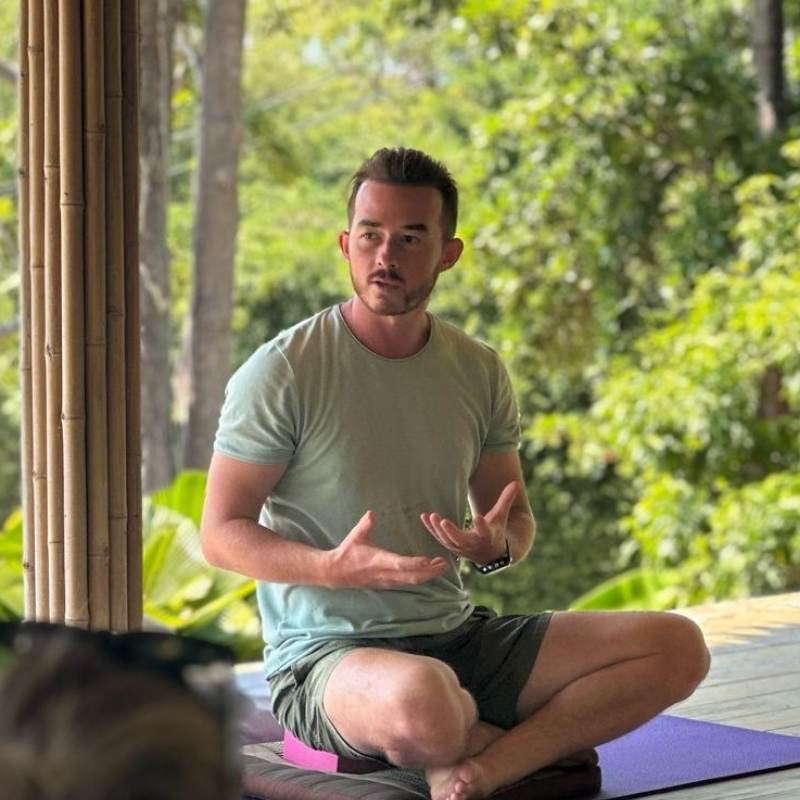
About Diego Pauel
Diego is a certified breathwork facilitator, freediving instructor, and founder of Breathflow Connection. With years of experience in nervous system regulation and somatic practices, Diego helps stressed professionals find calm through simple, science-backed techniques.
Learn More →Try Our Free Interactive Tools
Start regulating your nervous system today.
Get the free 3-minute audio guide and symptom checklist. Delivered instantly.
Get Your Free ResetContinue reading

How to Tell If Your Nervous System Is Dysregulated: A Self-Assessment
Not sure if you are stressed or dysregulated? This self-assessment uses 8 specific patterns to help you tell the differe
Read More →
Breathing Exercises for Anxiety at Work: 5 Techniques You Can Do Discreetly
Anxiety at work? These 5 breathing exercises reduce stress in under 5 minutes and most are invisible to coworkers. Box b
Read More →
How to Increase Vagal Tone: 7 Proven Methods for a Calmer Nervous System
Low vagal tone keeps your nervous system stuck in stress mode. Learn 7 science backed methods to increase vagal tone nat
Read More →